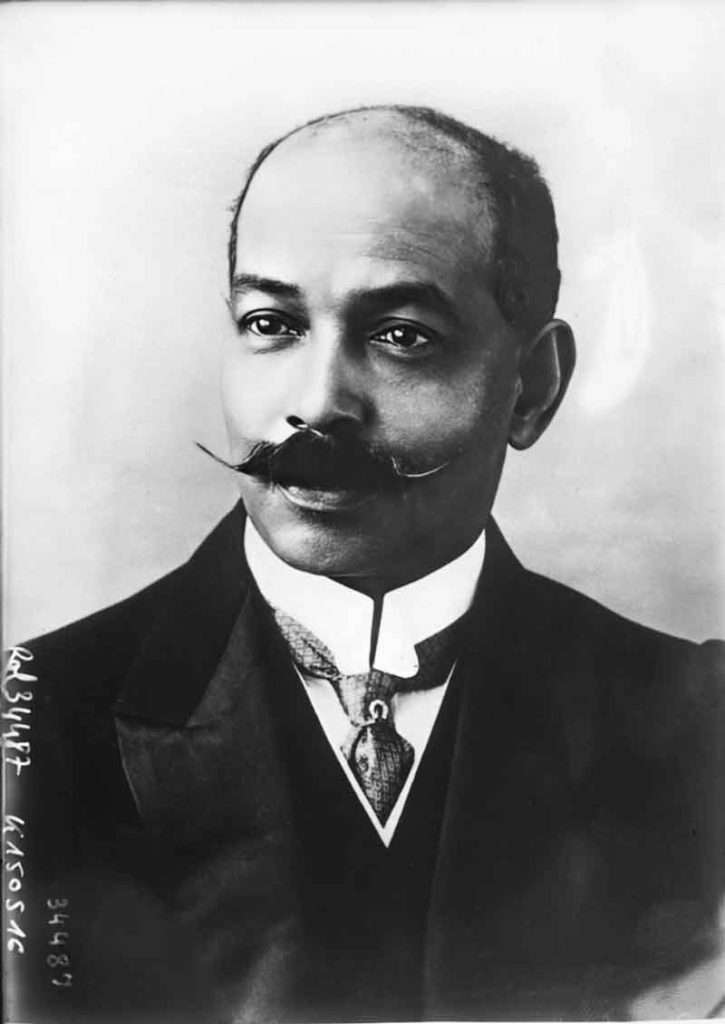
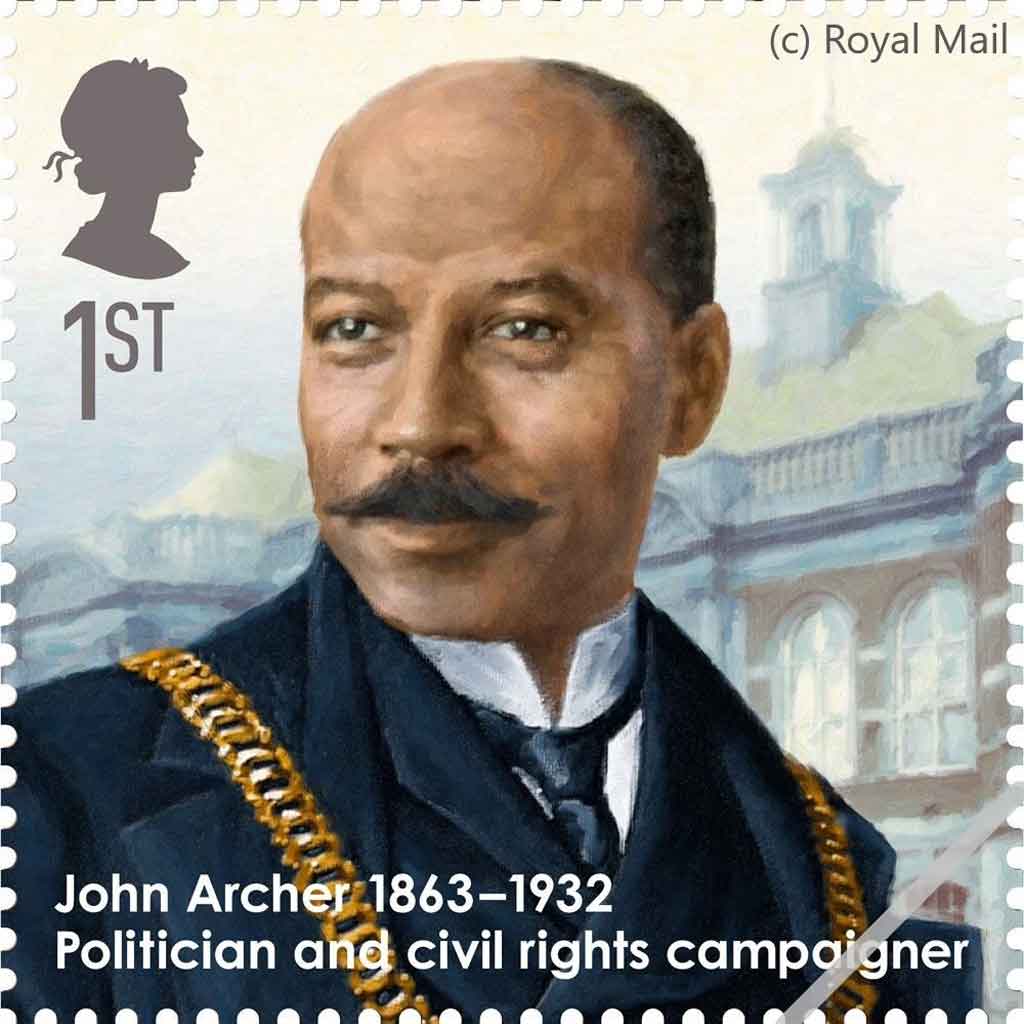
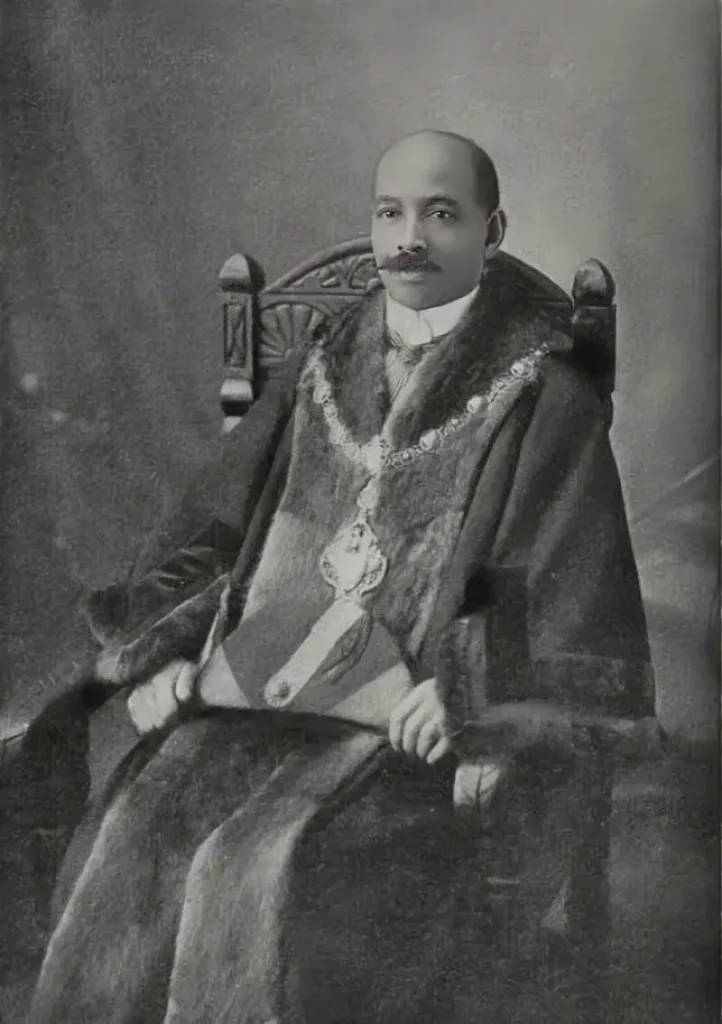
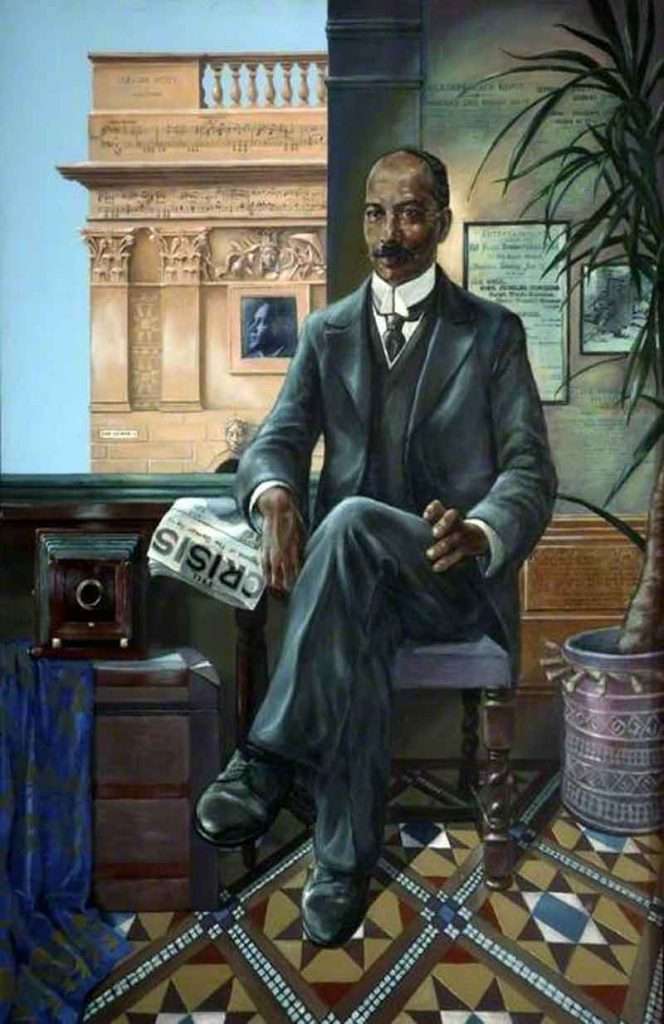
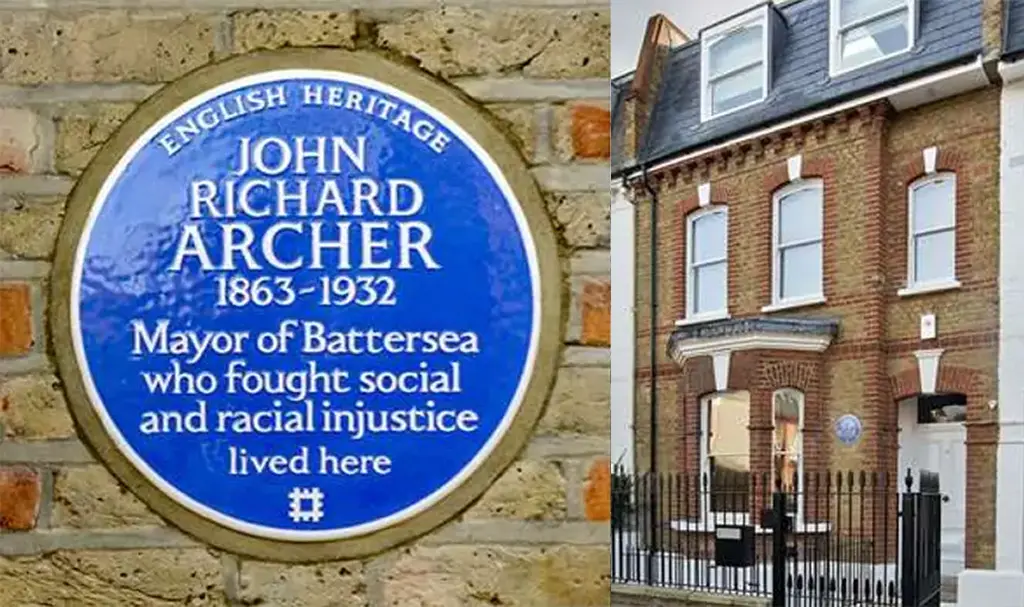
John Richard Archer was the first black mayor of a London Borough. In November 1913 he was elected for a one year term as Mayor of the London Borough of Battersea. The the first black person to be elected as a Mayor in England was: Dr. Allan Glaisyer Minns. Born in the Bahamas in 1858, Dr. Minns was elected to be the Mayor of Thetford in Norfolk in 1904, serving two one-year terms as mayor.
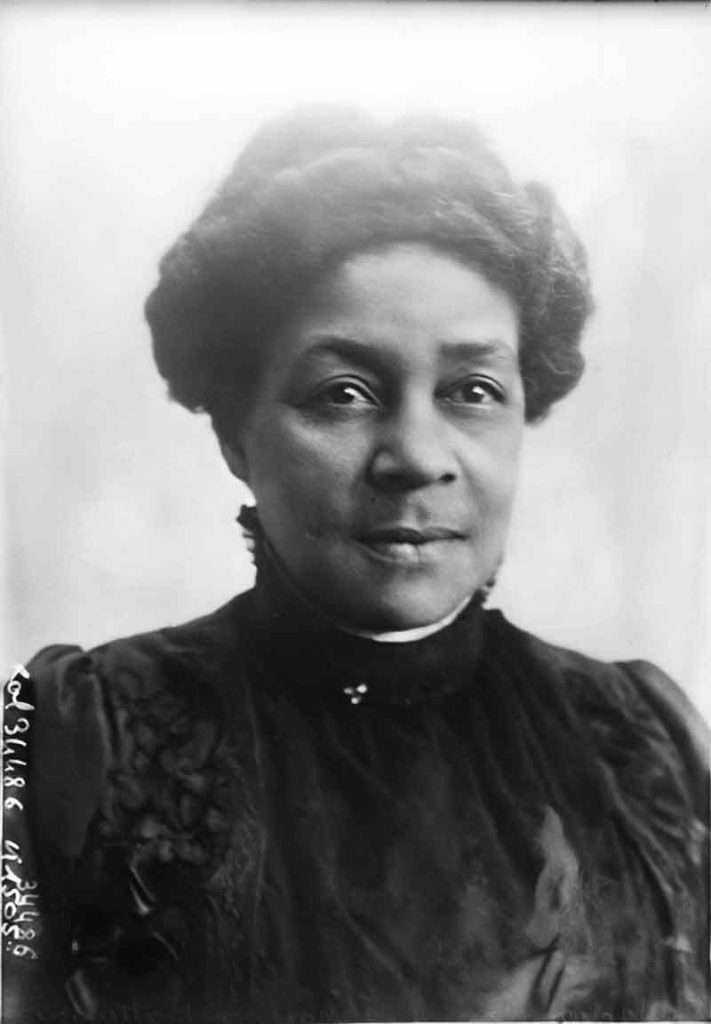
John Richard Archer was born in Liverpool in 1863, the son of a Barbadian ship steward Richard Archer and an Irish Catholic woman, Mary Theresa Burns. John Archer followed in his father’s footsteps and joined the merchant navy travelling the world, returning to England in the 1890s with Margaret, his black Canadian wife. John and Margaret settled in Battersea, a deprived area of London and John began to take an interest in local politics.
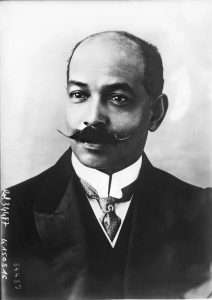
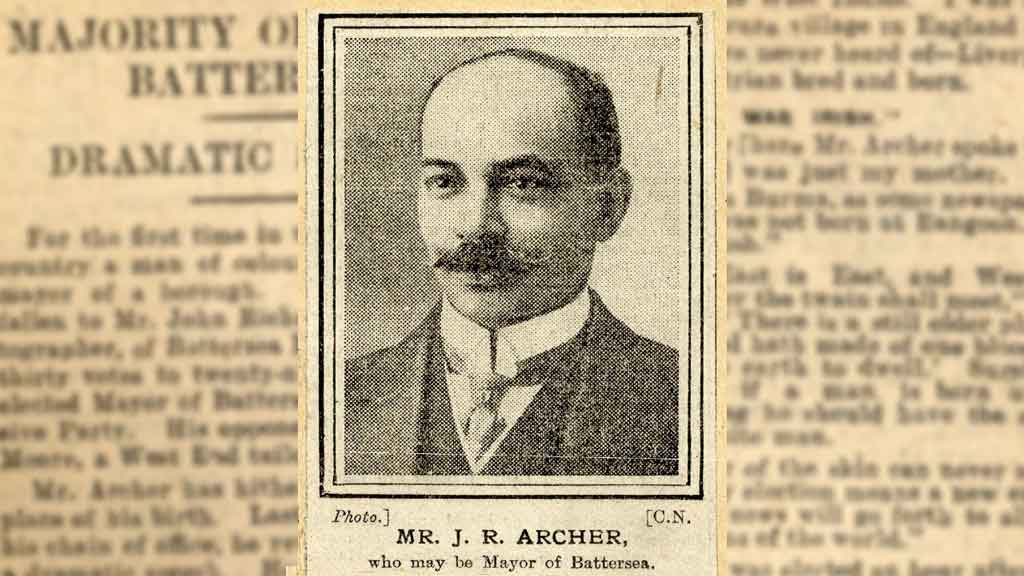
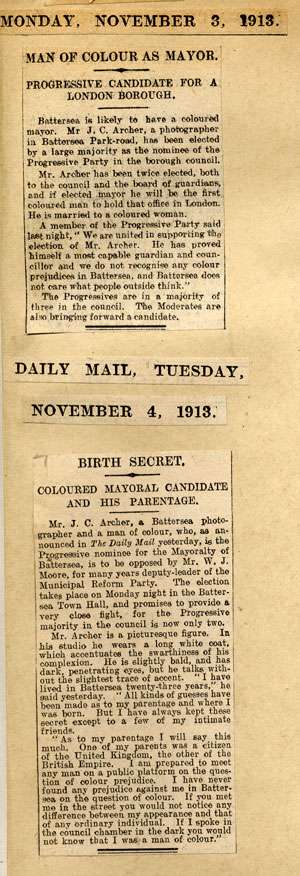
John Archer’s biggest moment was in 1913 when he was elected to a one-year term as Mayor of Battersea by his fellow councillors. The mayoral election battle was fierce and he had to deal with racism and allegations that he did not have British nationality… in the end he won by a single vote (40 to 39).
Battersea was known for fairly radical politics at the time, but this was a landmark moment even in Battersea – as it was was the first time a black man held a senior public office in London – a milestone that made national headlines in Britain.
In his election speech, Archer set the record straight: he was a man of colour from Liverpool (Lancastrian born and bred) – the son of a man who was born in the West Indies and an Irish mother, a familiar union in parts of Liverpool though one that nevertheless attracted hostility.
Race issues ran deep in Britain, and John Archer’s election was far from universally welcomed. At a meeting at Battersea Town Hall one month after his election, John Archer spoke of receiving vicious letters attacking his mother “because she married a man of colour.
“Do you know that I have had letters since I have been Mayor calling my [Irish] mother some of the foulest names that it is possible for a mother to be called. I have been made to feel my position more than any man who has ever occupied this chair, not because I am a member of the council, but because I am a man of colour. Am I not a man, the same as any other man? Have I not got feelings the same as any other?”
Such prejudice did not deter John Archer who went on to become a significant figure in the Battersea Labour Party movement until his death in 1932.
After attending the Pan-African Conference held in London in 1900, where he met leading members of the African diaspora, John Archer entered local politics.
In 1906 John Archer was elected as a Progressive (Liberal) to Battersea Borough Council for Latchmere Ward; at the same time, Trinidadian lawyer Henry Sylvester Williams a fellow Pan-Africanist won in Marylebone.
Archer lost his seat in 1909, however, he was re-elected in 1912 and was elected Mayor of Battersea in 1913.
In 1918 John Archer served as the election agent for Charlotte Despard, the Anglo-Irish suffragette and pacifist during her run for parliament.
In 1918 he was also elected as the first president of the African Progress Union, working for “advanced African ideas in liberal education”.
In 1919 John Archer was a British delegate to the Pan-African Congress in Paris and two years later, chaired the Pan-African Congress in London. In 1919 John Archer was also re-elected to the Battersea Borough Council as a Labour representative, and by 1931 he had become the deputy leader of the Labour group.
In 1922, Archer gave up his council seat to act as Labour Party election agent for Shapurji Saklatvala, a Communist Party activist standing for parliament in North Battersea. He convinced the Labour Party to endorse Saklatvala, who was duly elected – one of the first Indian MPs in Britain. He clearly did a good job as Shapurji won over 2,000 votes more than the nearest rival and became MP for North Battersea.
Following the death of his wife Margaret, thought to be from Spanish Flu, John Archer married Betha Elizabeth White in 1923.
He and Saklatvala continued to work together, winning again in 1924 until the Communist and Labour parties split fully. In the 1929 general election, Archer was agent for the official Labour candidate, who beat Saklatvala.
John Archer was again elected in 1931, this time for Nine Elms Ward. At the time of his death in 1932, he was deputy leader of Battersea Council.
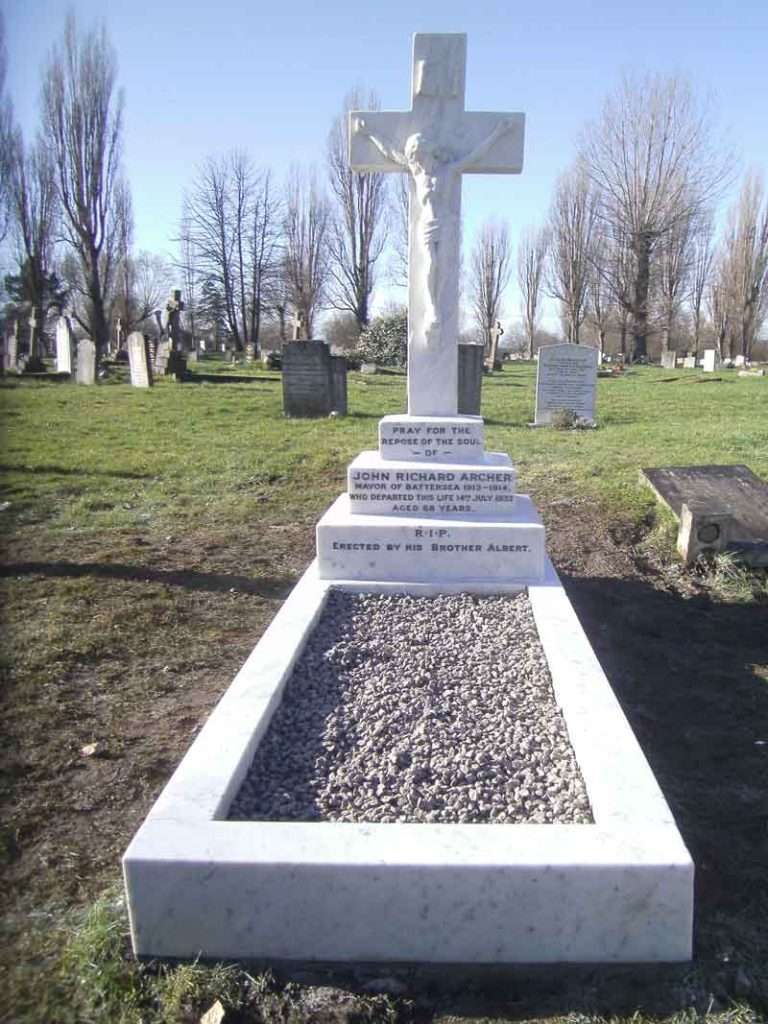
John Archer died on 14th July 1932, a few weeks after his 69th birthday. His funeral was held at the Church of Our Lady of Carmel in Battersea Park Road on 19th July. He was buried in the Battersea Borough Council cemetery at Morden.
Archer also served as a Governor of Battersea Polytechnic, President of the Nine Elms Swimming Club, Chair of the Whitley Council Staff Committee and a Member of the Wandsworth Board of Guardians.


Useful Reference Sources
- John Archer (British Politician) – wiki
- John Archer’s Battersea, Wandsworth Borough Heritage Service
- John Richard Archer – Black Heroes Foundation
- John Archer – University of Liverpool
- John Archer: London’s first black mayor [of a London Borough] – On the Shoulders of Giants
- John Richard Archer – the first Black mayor of a London borough – IBHM Heritage International, documenting and celebrating Black British achievements in the UK
- John Richard Archer – Liverpool Town Hall
- John Archer: London’s first black mayor – Art UK, the operating name of the Public Catalogue Foundation which brings together art from over 3,400 British institutions in the UK
- John Archer, Battersea’s ground breaking mayor, may be honoured with a statue on Lavender Hill _Lavender Hill Community