
This is the fifth video in a series where John Knox tells the untold story of The Quakers in Barbados focusing in this episode on the will of Samuel Forte and his vault.
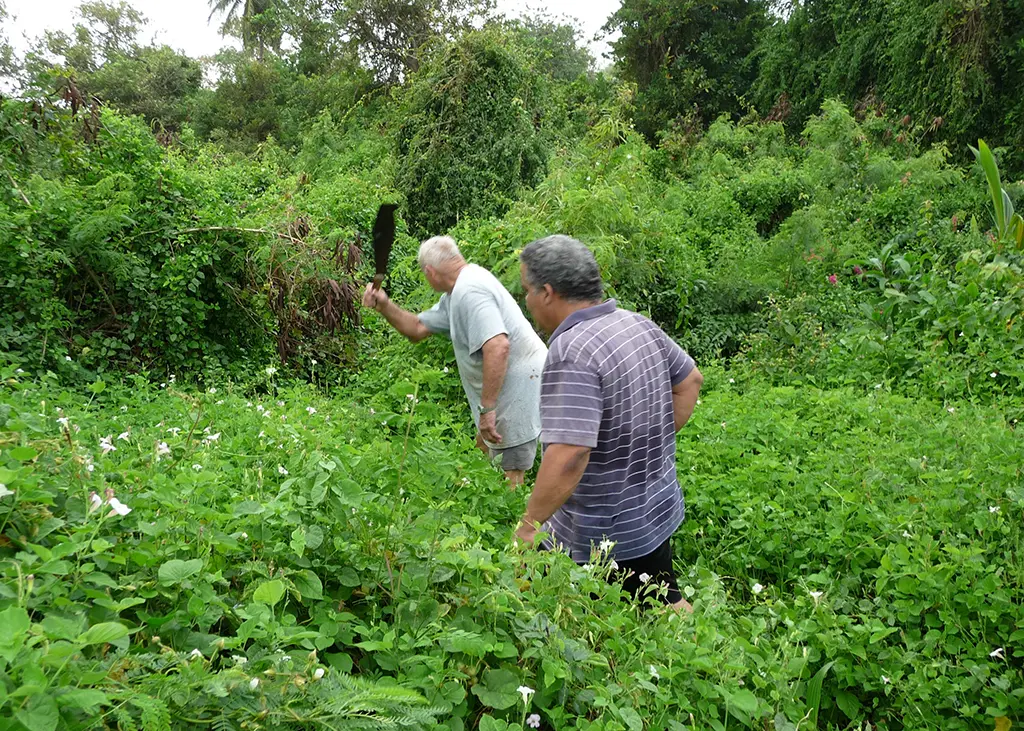

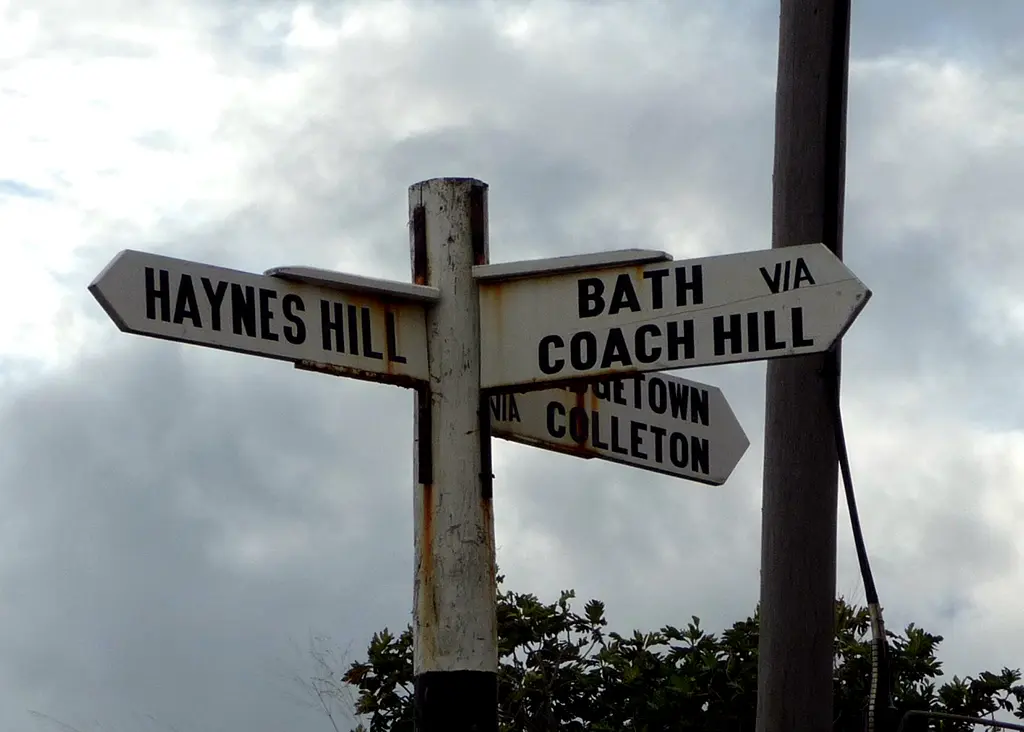
The above photographs were taken by Professor Hans Machel, Professor emeritus of Geology at the University of Alberta who was staying with Richard Goddard and who was always part of Richard’s forays whenever he was in Barbados. Prof. Machel had recently with associates mapped various caves in Barbados and had published a paper.
John has recently setup a YouTube channel: @TheUntoldHistoryOfBarbados. It’s about: The Untold History of Barbados – Amerindians, Quakers and Slavery. As John adds to his series of informative videos we will look to share them here on BajanThings.
Samuel Forte and his vault – Physical evidence of a Quaker presence
This video looks at real physical evidence of a Quaker presence on the island as demonstrated by their burials. Not only did the Quakers leave a copious written record of their presence, but they also left burials which remain plain and visible to this day.
By understanding the Quakers thinking on the issues of death and burials and you will understand where everyone else was buried.
First, the Forte Vault will be described before moving in subsequent videos to the Mayers/Culpeper Vault at Easy Hall. Then we will look at a report from 1910 on historic sites in Barbados which lists all of the then known plantation burials in Barbados.
The will of Samuel Forte refers to “his vault” which exists up to the last time I visited it at Haynes Hill Plantation in 2009.
No coffins are present and appear to have been removed sometime after his burial in 1711 and before one of the last coffins was placed there in 1832. The coffin belonged to Mary Culpeper, a relative of the then owner, Robert James Haynes.
I have included an account written by Frances Greenidge written in 1985 and probably in the Archives. She was the wife of Ralph Greenidge who was born on the plantation in 1902 and grew up there when the mill worked and ground the cane grown on the plantation and drawn to the yard by mules and ploughing was done by oxen.
Haynes Hill never converted to steam because there was no water easily available although plenty is available under the Cliff at Codrington College, Bath and Newcastle.
Both Bath and Newcastle converted to steam.
Click here to see the all videos in the series where John Knox tells the untold story of The Quakers in Barbados.
Some background:
John Knox is a mapping aficionado and is merging his love of engineering with his love of Barbados history in this series of YouTube videos starting with the Quakers in Barbados. These videos merge maps, place names, on-the-ground research, wills, deeds and trade to document the untold history of the Quakers in Barbados.
John was awarded a Barbados Scholarship in 1975 and Dutch Government Fellowship in 1979. He holds a BSc in Electronic Engineering and Physics and a Masters in Electronic Engineering. He worked at Intel in Barbados from 1980 and gained experience at their facilities in the US and Far East.
When Intel in Barbados closed in 1987, he joined a start-up company providing technical services, building services engineering and product development. John went out on his own in 1995 concentrating on product development mapping and modelling Barbados. From 2002 to 2007 he also taught various courses in Electronic and Electrical Engineering at the University of the West Indies (UWI).
John started hiking with Richard Goddard and Colin Hudson and others in 1988 and led the Barbados Hiking Association (BHA) medium group from the early 1990’s to the mid 2000’s. Recently John has concentrated on documenting and sharing the knowledge he gained from exploring Barbados.