
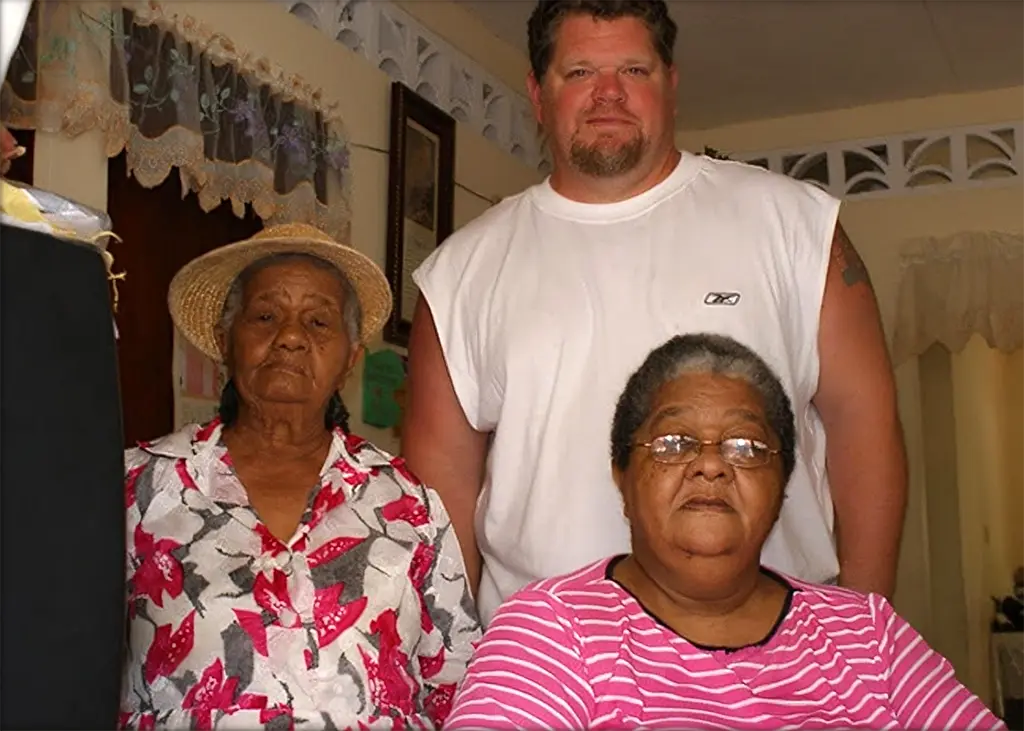
Barbados has always been a part of my family’s life.
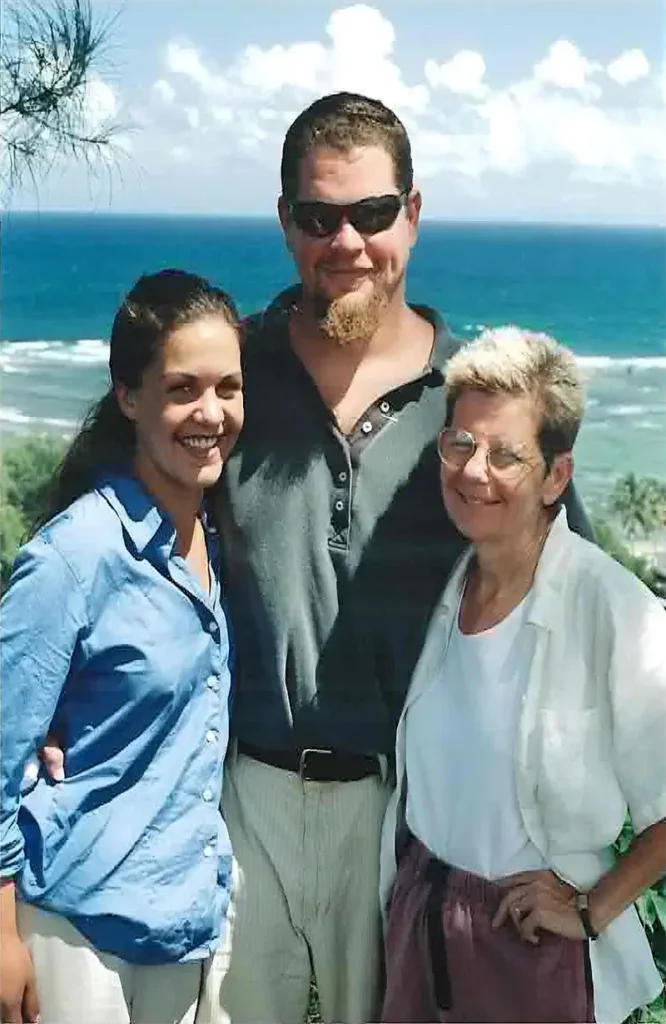
From the time my parents were Peace Corps volunteers and teachers in the mid 60s and early 70s, Barbados and its people have always been an important part of our lives.
My Mum – Carla Stoffle, was a Physical Education teacher at St. Leonard’s back when the Boys and Girls schools were separated and was a strong advocate for creating libraries on the island.
My Dad – Richard Stoffle, was a Geography teacher at the Combermere School and a lover of spearfishing.
We have lived all over the island from Pine Housing to Silver Sands, and now over the last 25 plus years multiple locations in St. John.
Our annual return visits are centred on spending time with friends and family and now include not only my wife, Kristy Scott, and me, but also our three children: Peekay, Isabella, and Ciaran.
We have a family connection that spans more than three generations filled with a million stories and great experiences.
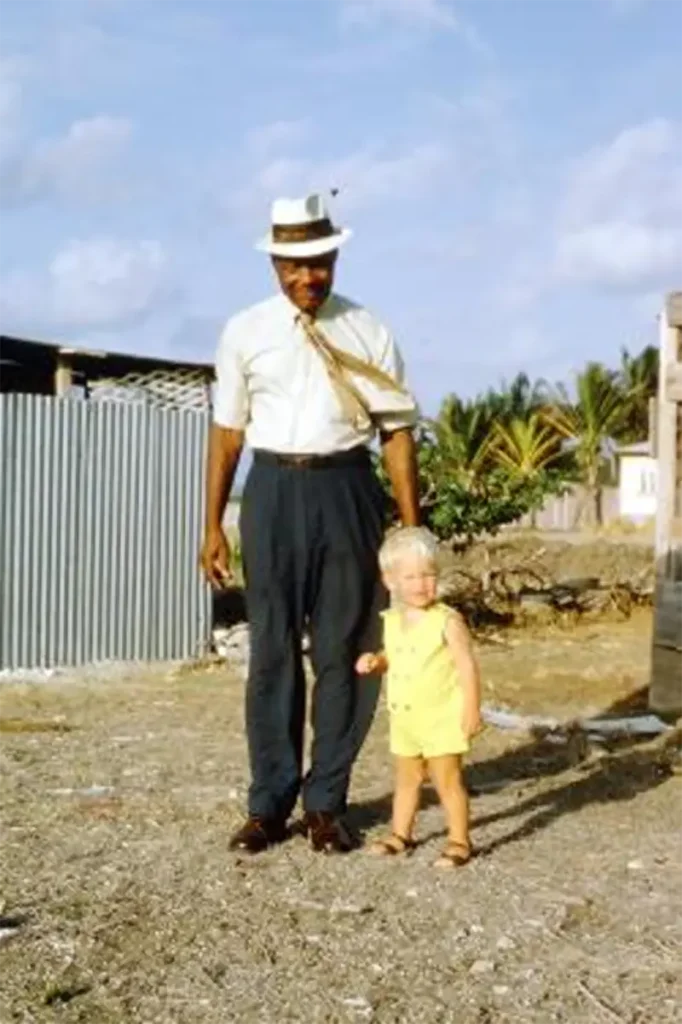
This article is not really about our story in Barbados but about my research that brought me and my wife back to to the island from 1996 to 2000. It focuses on examining Meeting Turn across the island. The findings are based on 30 years of research in Barbados and information shared with me by the people of the island and more specifically St. John.
While living in Bath, we formed deep friendships that became family ties with people from St. John. We became godparents to Celeste Gonsalves and lifelong family to Carlos Waldron. My wife and I were warmly taken in and cared for by many in the community – especially Fred and Grantley Watson and Lady Di, who so often watched over us and cooked for us.
In addition Teddy and Pressie would watch us walk from the bus stop at the rum shop as we would return from town on the Blue Bus which would drop us atop Bath Hill walking our way to our home on Bath Beach. With our groceries in hand, they followed our path making sure nothing happened to us on our long walk down the road and through the cane fields. People were generous and shared with us their time, food and stories.
Almost every Sunday we had the tradition of preparing a big Sunday lunch at our Bath Beach house, usually a meal made up of fish, macaroni pie, bread fruit, seacat, rice and peas, fresh fruit (Bajan apples and mango) and vegetable. After we filled our bellies, I would head to Grantley’s rum shop up on top of Bath Hill where Fred Watson and I (and a host of others passing by) would spend the day talking about life and fishing and many things Bajan. Because of these individuals and their life experiences we were blessed and the friendships created made it possible for my wife and I to consider Bath and St. John our Bajan home.
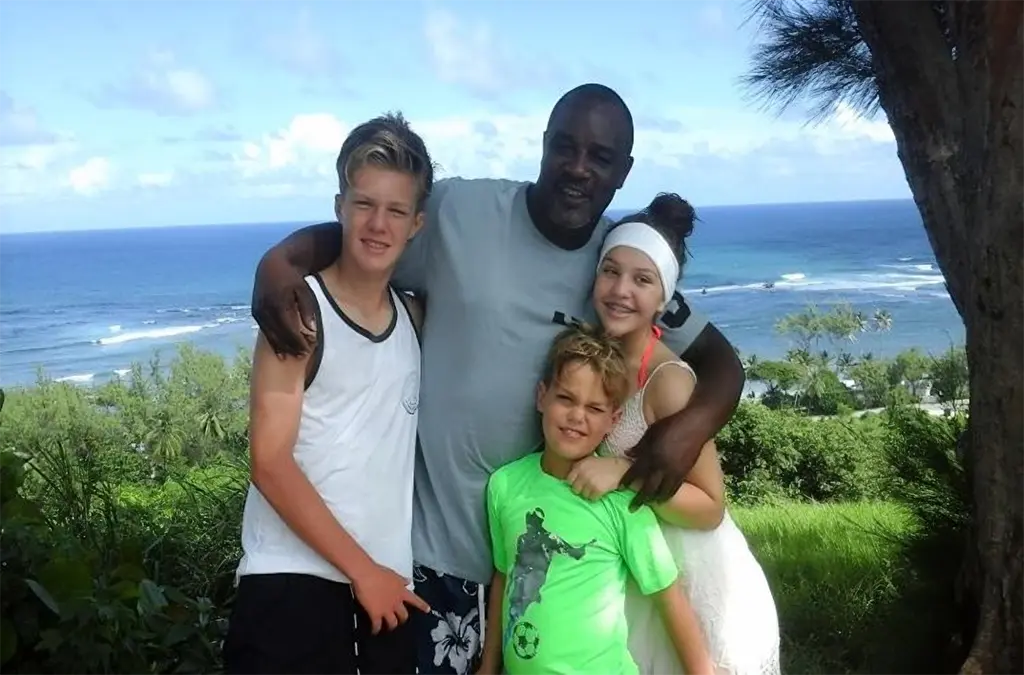
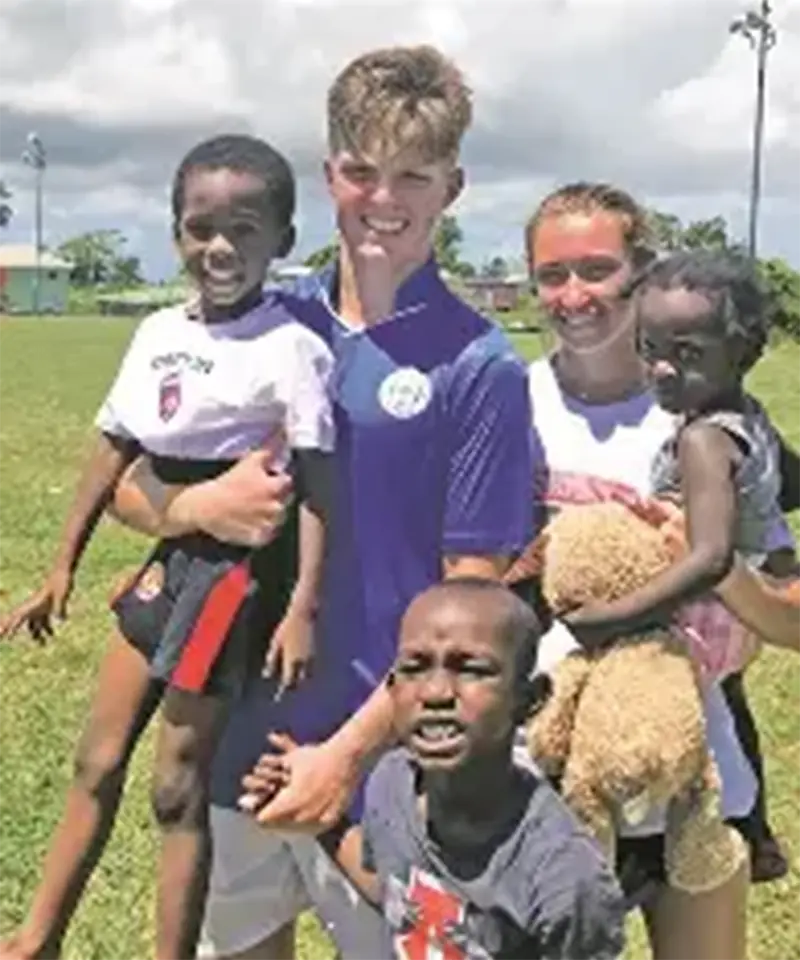
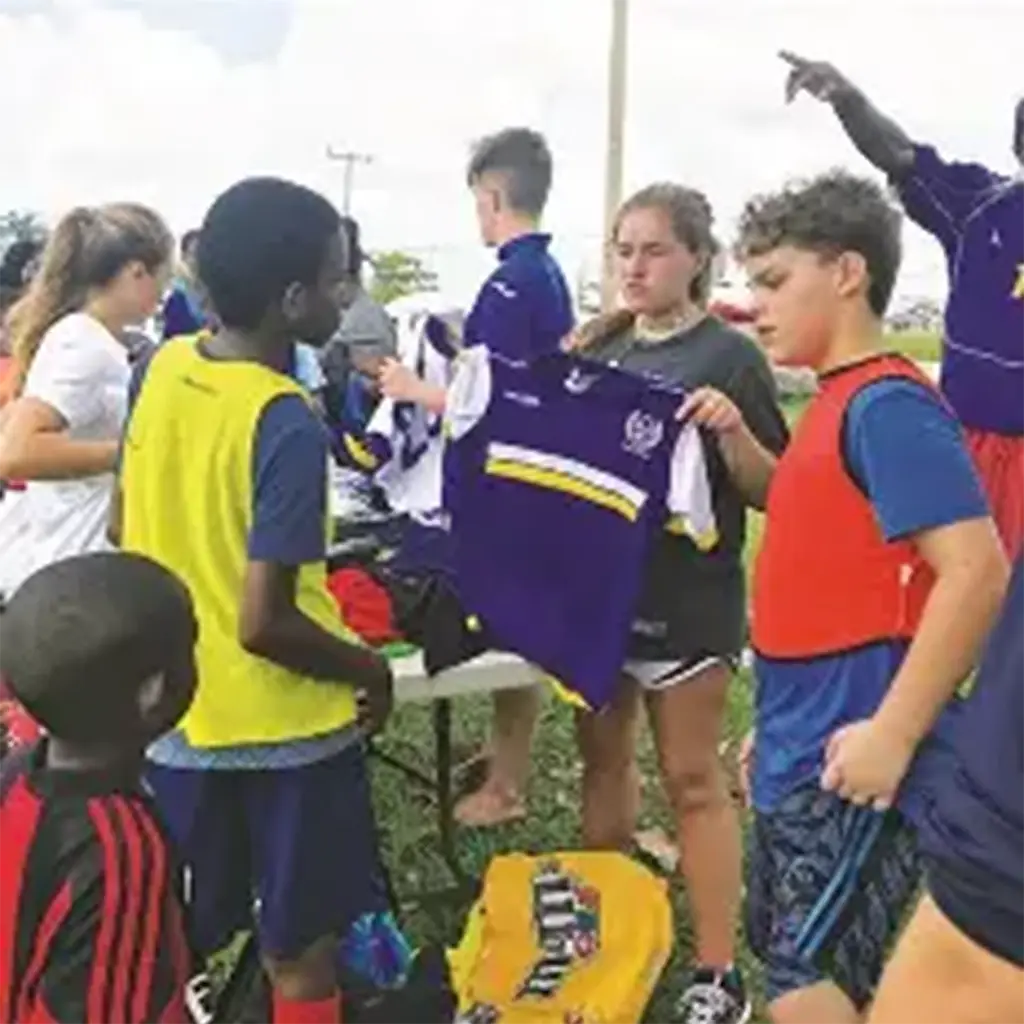
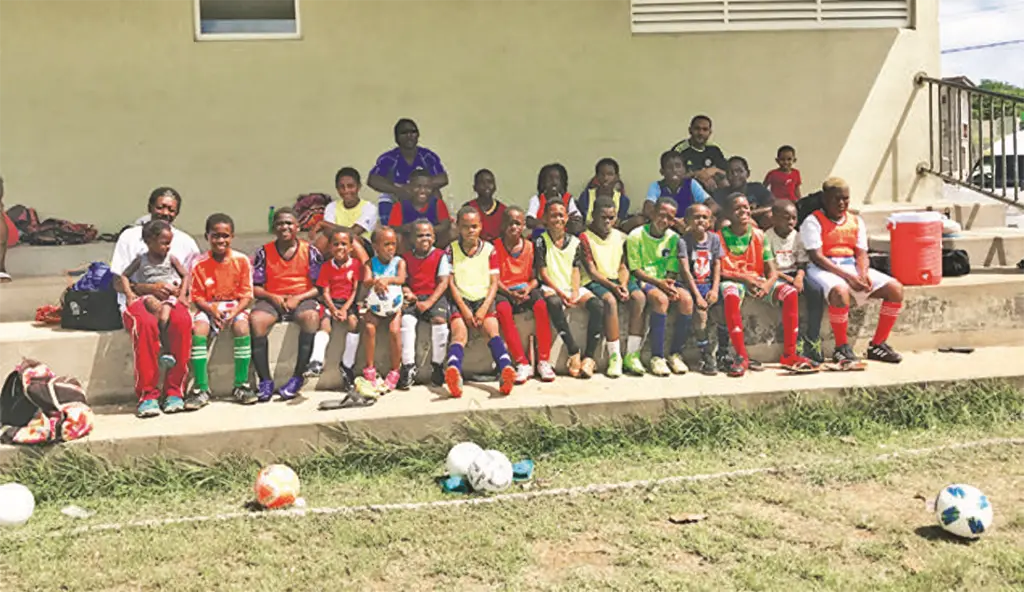
Brent and Kristy’s kids with Uncle Bigfoot and the youth of St. John at our bi-annual Soccer Pass Miami Free Soccer Clinic and Soccer Gear Give-Away. Source: Brent Stoffle – 2018.
My primary reason for being in Bath was the continuation of my studies, for I was in the process of learning about Rotating Savings and Credit Associations (ROSCAs), known in Barbados as “meeting turn”. As a part of my dissertation research I focused on the widespread existence and utility of ROSCAs in the Caribbean. My research shed light on the widespread nature and utility of ROSCAs and how they are commonly found throughout the Caribbean.
ROSCAs are known by a variety of names such as SouSou in Trinidad, Asu in the Bahamas, Partner in Jamaica, and Box Hand in Guyana. It is argued that ROSCAs and meeting turn likely came with the people forcibly taken from West Africa during slavery. This is based on structural organisation and linguistic similarities between West African and Caribbean ROSCAs. There is evidence of such associations even before the colonisation of West African people. As it was in the past and is even today, ROSCAs provide a mechanism for compulsory savings and access to credit for its participants, and it is successful based on the strength of relationships and the bonds of trust for those that participate together.
Meeting turn is essentially a flexible and compulsory way to save money, providing access to credit by working within a group of people who see the benefit of collaboration as a strategy for offsetting crises and as a means of creating opportunity. Its utility lies in the fact that the time increment and the contribution amount is flexible making it accessible for people of all types of economic standing.
The easiest way to describe it is the gathering of 12 people with one as the organizer or collector and distributor of funds. Each of these people gives $100 a month for twelve months. People are assigned a month and they receive the total amount known as their “hand” of $1,200 on the predetermined month. The Turn continues until everyone has received their hand meaning that 12 people are all able to save $1,200 and 11 of them had access to it before they would have if they simply put $100 away for 12 months on their own.
The meeting turn can then continue to rotate and begin again or can shut down based on the decision of the group. In addition, people can drop out and others can join.
Again, it is the combination of compulsory savings and structural flexibility that makes it so useful and beneficial for participants. However, not to be underestimated in importance, the selection of participants is critical because any default looks poorly on the organiser. The lost contribution is often assessed to the organiser because they were the one to select or agree with the induvial participant. This is why the system is said to be successful because it is based on trust and responsibility.
One of the things I learned was the role of meeting turn in the lives of Bajan people, especially in the lives of women. In contemporary Barbadian society, meeting turn is often a multi-generational and life-long presence, especially for women and girls. Older women tend to be the leaders and teachers of the meeting turn and young girls and young women tend to be the ones who are indoctrinated into the group in an effort to learn the importance of saving (even small amounts of money) as well as identifying those within the community who can be relied on in times of need or crises. Successful meeting turns run on trust and with each successful rotation social relationships were reinforced, identifying people who you could rely on when times got hard.
Men do participate, often at the request or lead of a female family figure. They tend to use their hands in productive ways, like creating a side business or paying off larger expenses such as car insurance. But as women often stated:
the difference between women and men is that we take a little $10 and put it in a meeting turn to save and men when they get their $10 they buy a drink or piece of food. Often women, even if they don’t have an income, will take a part of their partners salary from them and put it in a meeting turn to save for the family.
Throughout the Caribbean women are often seen as the centre of the household and in many cases responsible for the management of money and this certainly seemed to be the case in many households in Barbados. Their involvement in meeting turn provides a strategy for handling day-to-day problems such as an unexpected illness or some sort of large unexpected payment needed to be handled in a rapid fashion. It was and is also used to handle large, predetermined expenditures, such as children’s school fees and uniforms, for Christmas and holidays, or even the purchase of some sort of equipment like a refrigerator or sewing machine to start a little business and as they say “turn a penny.”
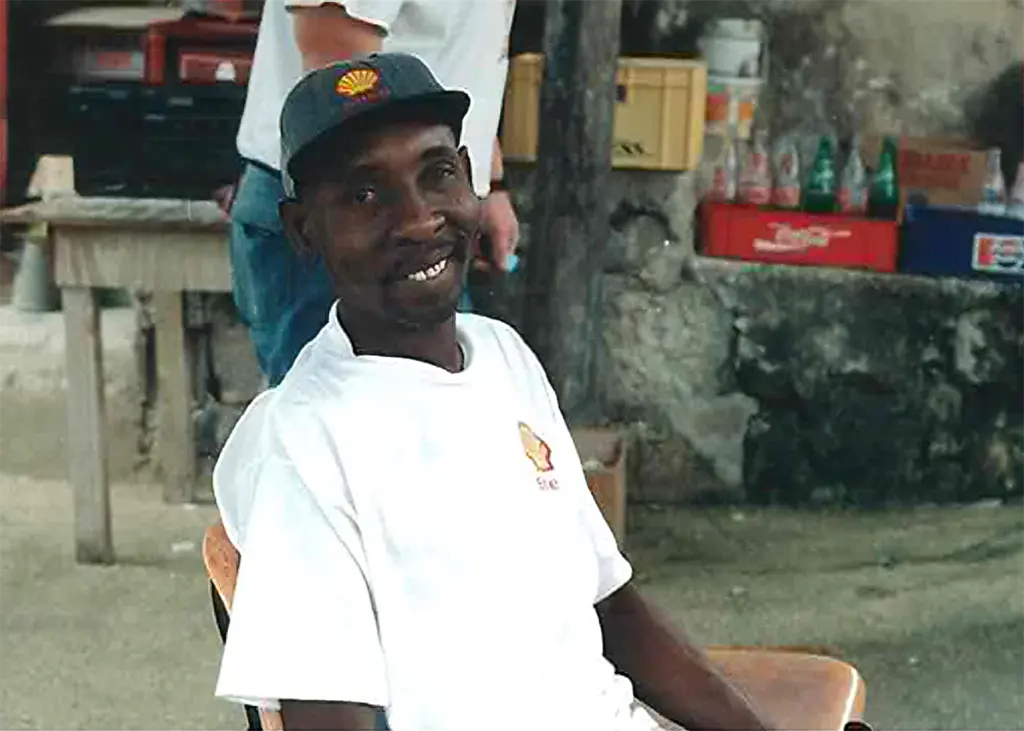
This is photo of my friend Andy who passed away tragically. Before he did he shared with me his rationale for participating in his mother’s meeting turn. Andy was arguably one of the financially well-to-do in the district as he had a good job working for Shell. Even though he had no financial use for the money collected in the small meeting turn he expressed his appreciation for it and his respect for those that because of their participation helped him to get to his position in life. He stated,
Yeah, I still do my Mum’s meeting turn. I do it to show support for her and all her friends that have been in it since I was a kid. If not for them, how would my mom have paid for my school fees. I owe it to them as much as I owe it to her because without all of them maybe I wouldn’t be where I am today. I don’t need the money and I don’t miss it when I throw it in, but I sure did need all of them. That’s why I still do her little turn.
This pattern can be seen throughout the Island in both urban and rural settings. I found that meeting turn was also a way to create long term security when entering the retirement phase of their lives.
This is demonstrated by Ms. June’s construction of a shop adjacent to her home. There were many lessons learned from Ms. June, a woman that has participated in and currently runs a meeting turn that has been in her family for over 70 years. She was interviewed several times in the late 1990s and at each visit there was some sort of progress made on the construction of the shop located adjacent to her home. As she said,
You see each of these piles here represents a turn. There is the block, the sand, and the steel (rebar). The final hand will go to the Pollard boy (the local builder) to put this all together. Then I will have a little shop where I can sell a few items, cook, and relax. This way I don’t have to work at Codrington College anymore, cause you know I am getting old and I can’t handle all the physical work anymore.
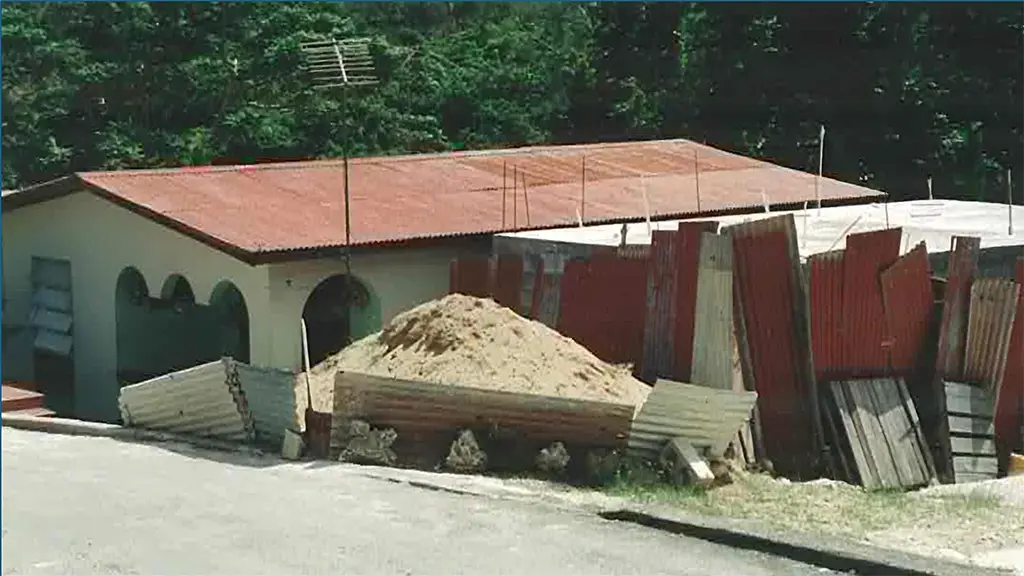
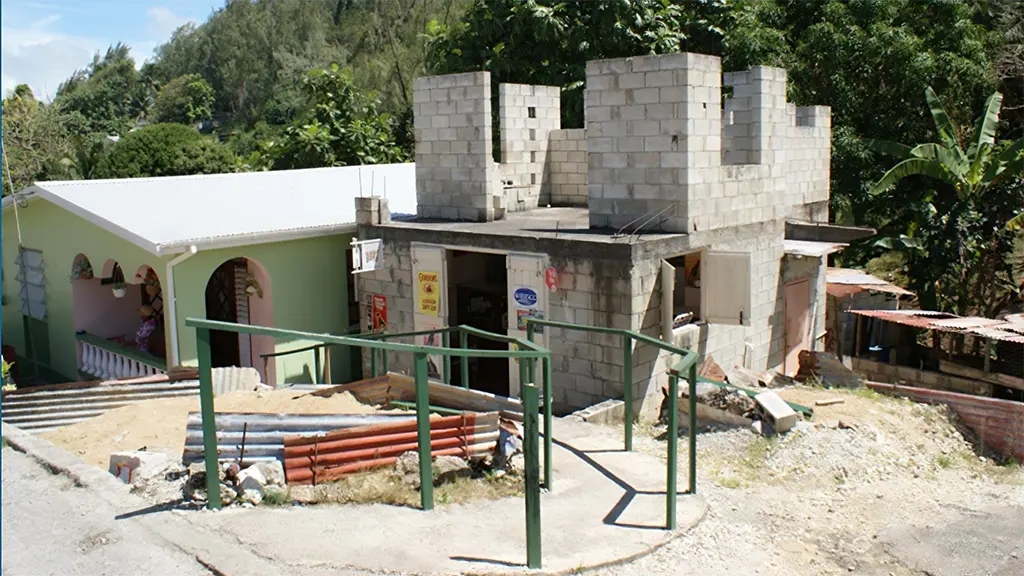
A house and business created by Meeting Turn. Source: Brent Stoffle 1999 and 2001.
When I returned nine years later, Ms. June’s shop was in full operation and still being expanded. I stopped in to say hello and to check on her. I found her full of smiles and contentment. She shared that things were great. She was able to quit her job and stay at home to take care of her 90-year-old mother while running the shop at the same time. She confided that she now actually made more money than when she worked at Codrington College and even though she had become more financially successful she still ran her same meeting turn, one of the longest standing meeting turn’s in the area.
Ms. June’s meeting turn over her lifetime had allowed her to build a block house and provide opportunities as she proudly announced that all of this was accomplished without ever having taken a loan or having to use formal credit from banks or credit unions.
These lessons are not lost on the girls and young women who participate in her meeting turn. Soon Ms. June will be turning over the responsibility as the organiser to her daughter, much the same way her mother did for her some thirty years earlier.
While meeting turn assists individuals and their families, there is little doubt that participation in meeting turn is important to the community as a whole because of the stability and security it creates. For example, during economic hardships people are able to engage in meeting turns of all types and contribution levels. Small amount meeting turns make it possible to have access to savings and credit even when money is tight.
Another example from Bath village, Ms. Jenny is known for selling cakes and sodas out of her house. She purchased an additional refrigerator with her meeting turn hand so that she could make a little extra money doing this. Inside her fridge are eggs that have come from the numerous chickens running around in her yard. When asked if she sells the eggs she responded that she could but mostly they eat them or give them to family and friends as “someone is always coming over to borrow some eggs.” She says that she uses the money from her “big” meeting turn for things like her fridge or for her sewing, but it is her little meeting turn hand that gives her the money to buy chickens.
She says,
You never know what’s going to happen. People may not always have a need for cakes and sodas, but people always going to need to eat. My chickens give me eggs and they give me more chickens. When times are tough we can share our chickens with family members so that they have eggs or they can butcher a chicken for food if they need to. It’s a good way to make sure that we always have food for ourselves or to share with our family and friends…see I may not always have money for the big turn, but I am pretty sure that I will for my small one. This way I will always be able to have my animals and if things get bad I know I can count on them.
There are numerous examples of how participation in a meeting turn assists the community as well as the individual. People say that there is a sense of security that is created because of membership. Meeting turn still connects individuals and families to one another and in times of prosperity and crisis. The community as a whole is strengthened by the resilience of its individuals. This is extremely important to recognize during times of economic crises, because formal banking institutions are much less likely to provide assistance to those with limited collateral and for those who need loans.
As a Barbadian bank loan officer stated:
it is not economically cost effective for the bank to make small loans. Banks also foreclose when payment cannot be made, so the person loses the collateral put up for the loan.
The Impact of Meeting Turn in Barbados and Our Lives
Had it not been for that meeting, I may never have returned to Barbados and would likely not have had the opportunity to live there or to meet so many of the wonderful people of St. John and the Bath area. The family ties and friendships we formed have endured for more than 30 years and, fortunately, have now extended to our grown up children, who also feel that St. John is a part of who they are.
From an academic and professional standpoint, we have both studied and shared our research findings on meeting turn with a wider audience. Our research concludes that the practice of meeting turn in Barbados – particularly in Bath and the surrounding communities – plays a pivotal role in fostering community solidarity as well as social and economic stability.
By providing a secure and inclusive platform for individuals across all social classes, genders, ages, and education levels, meeting turn strengthens social ties and extends access to financial credit to those who often lack traditional collateral. Its flexible structure allows participants to save according to their means, collectively stimulating local, regional, and national economies. Through these mechanisms, meeting turn not only supports individual financial well-being but also reinforces the broader social and economic fabric of Barbadian society.
Editors note: Richard Stoffle, Brent’s father and Brent Stoffle, both used Barbados as the basis for their doctoral dissertations… albeit 30 years apart!
Richard and Carla Stoffle
Richard and Carla Stoffle came to Barbados in 1965 as Peace Corps volunteers. At this time they worked as teachers at the Combermere School as a Geography teacher (Richard) and at St. Leonards Girls School as a Physical education teacher (Carla).
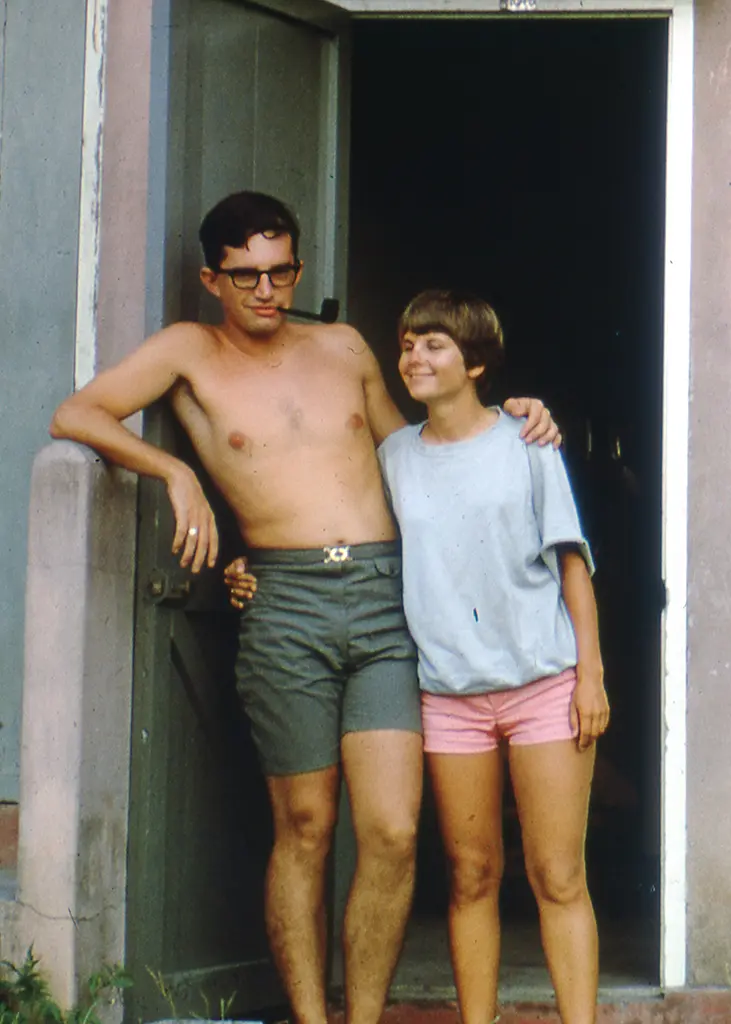
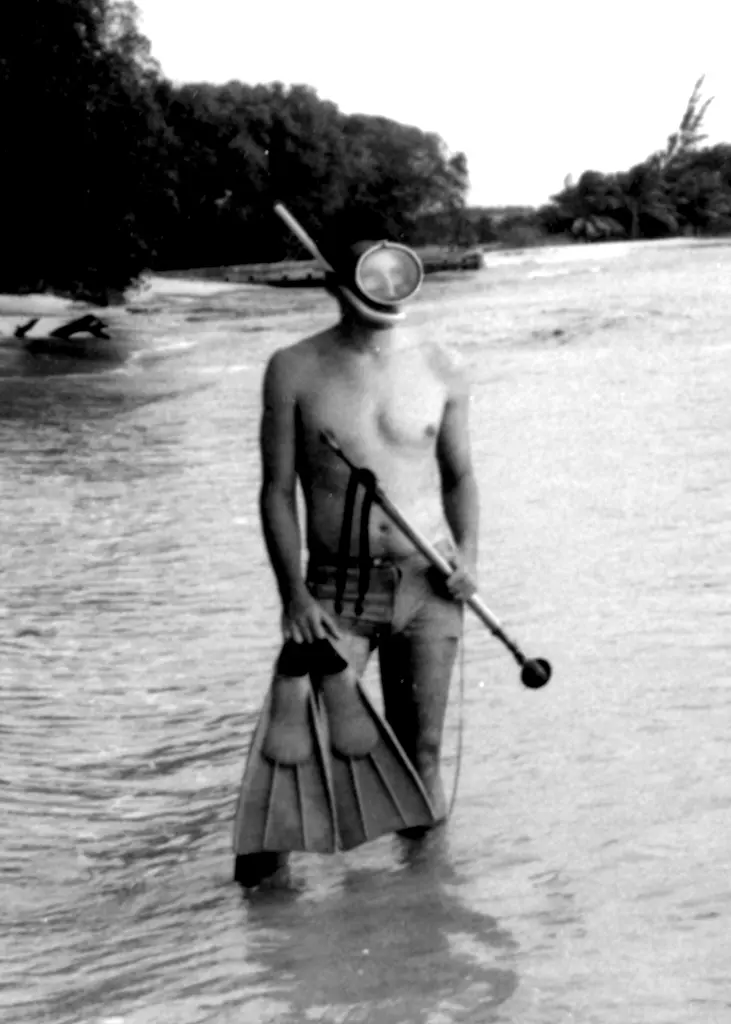
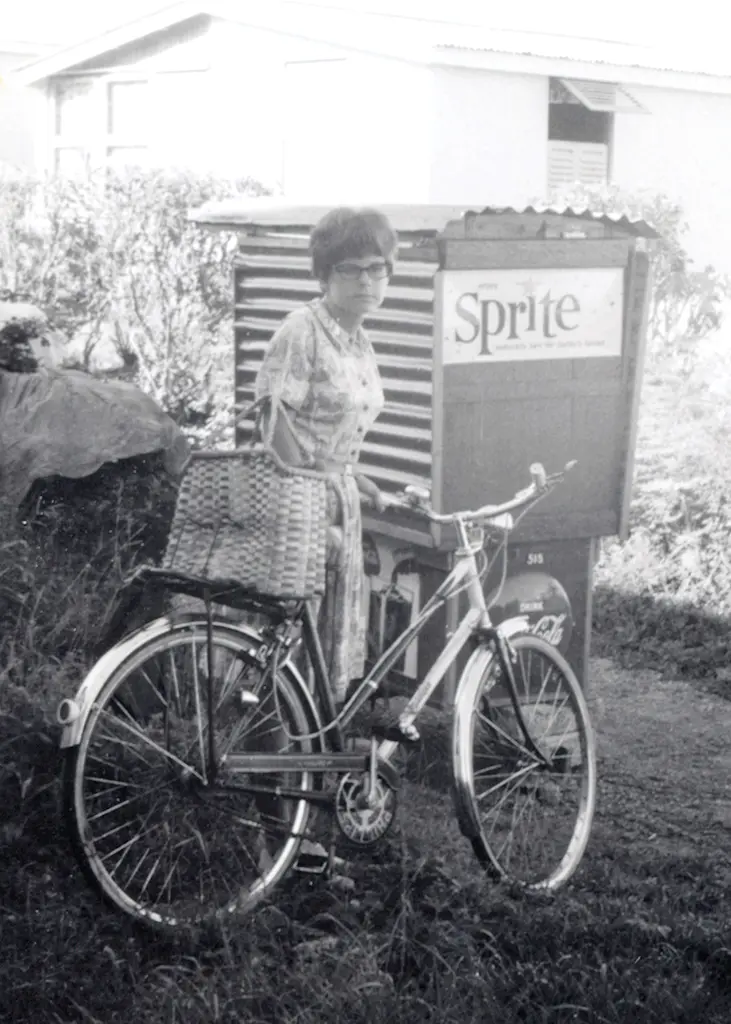
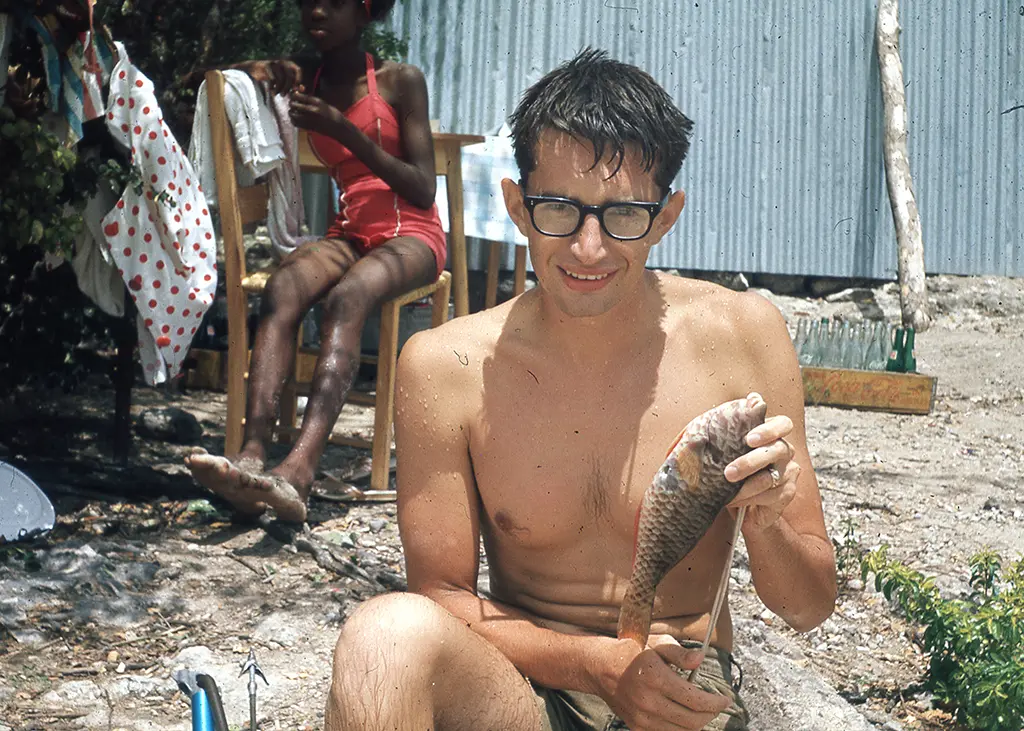
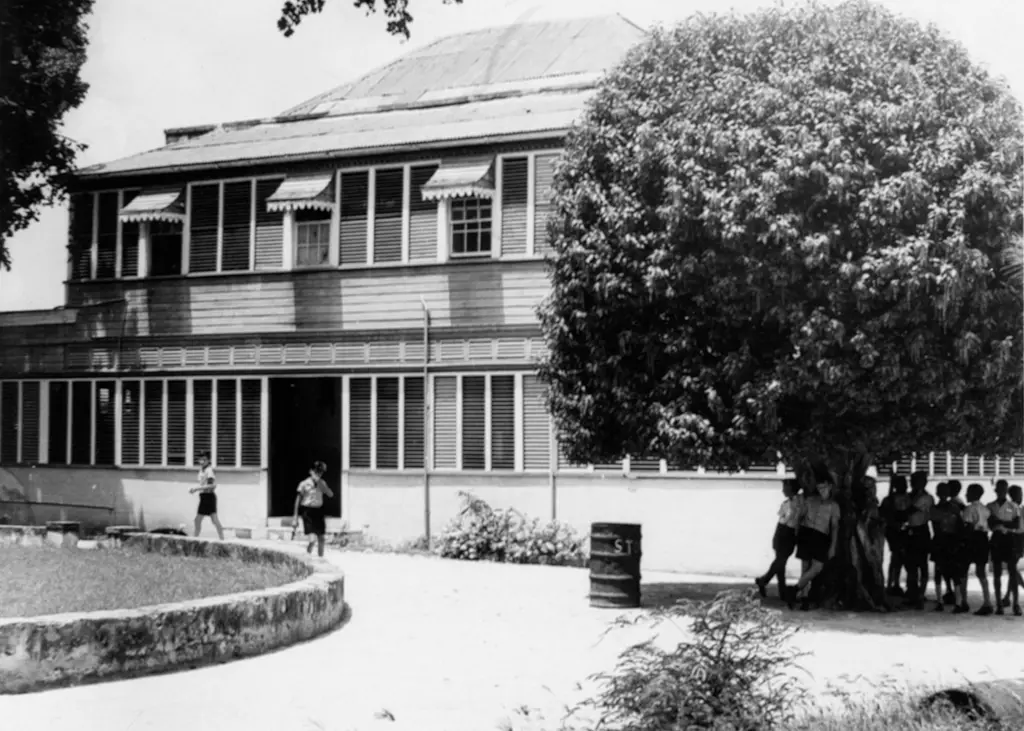
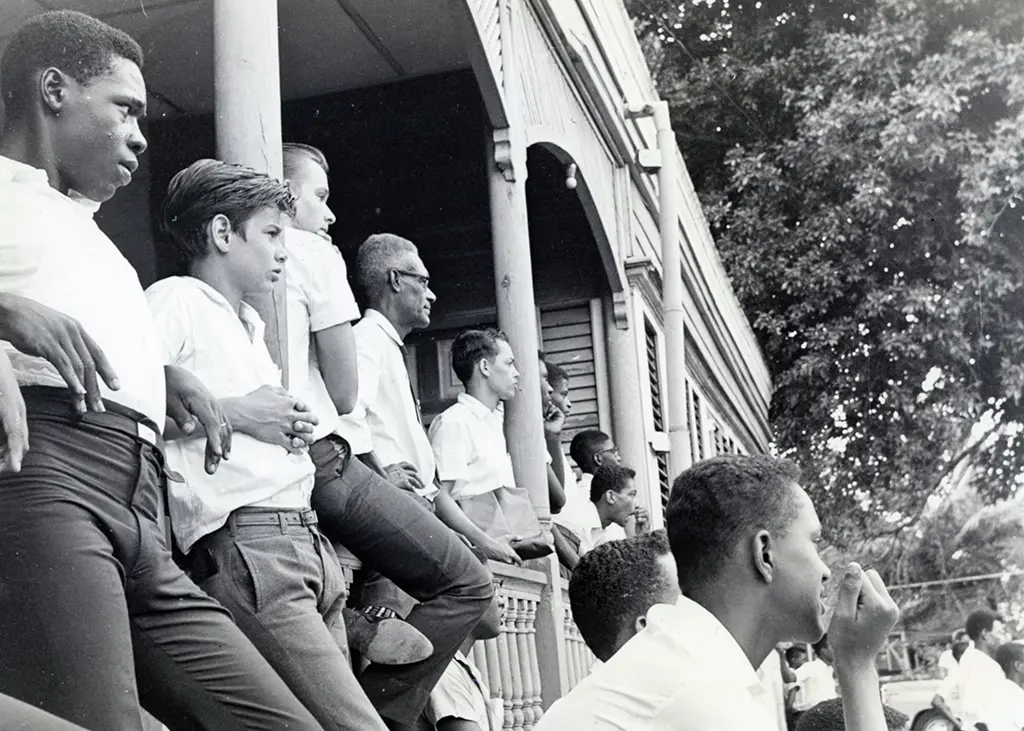
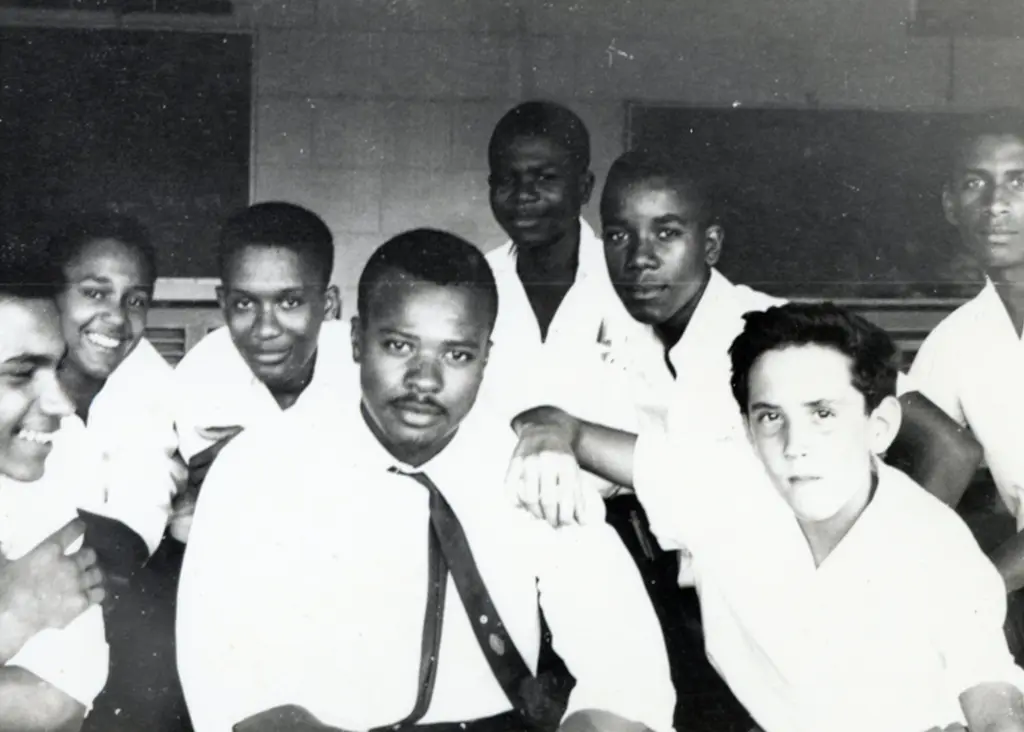
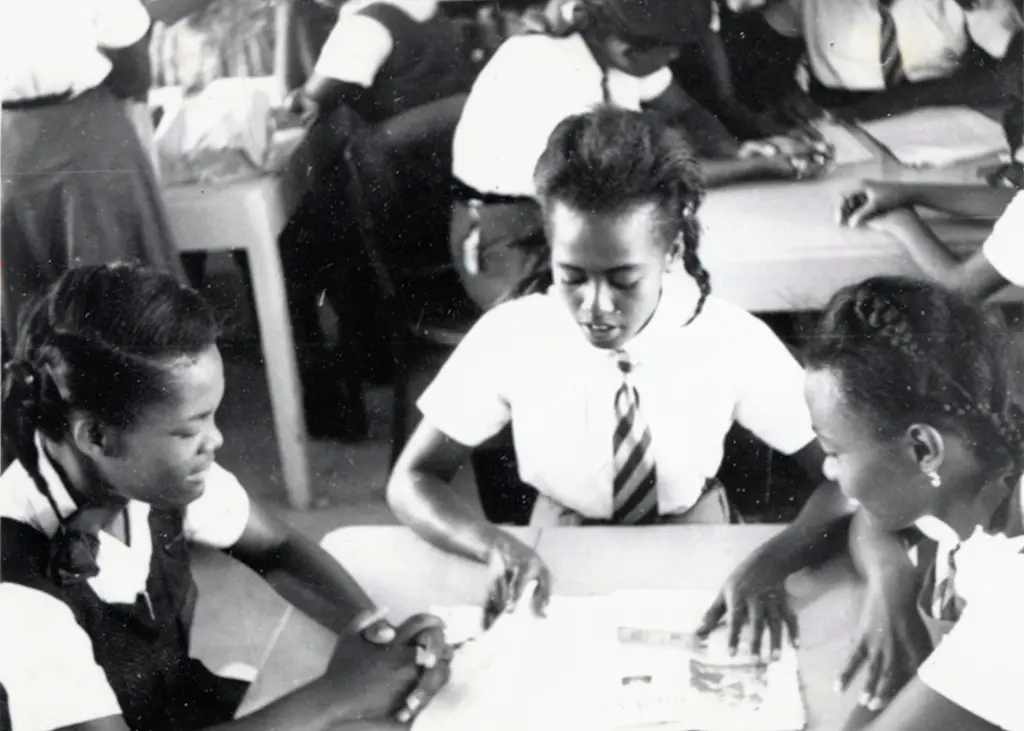
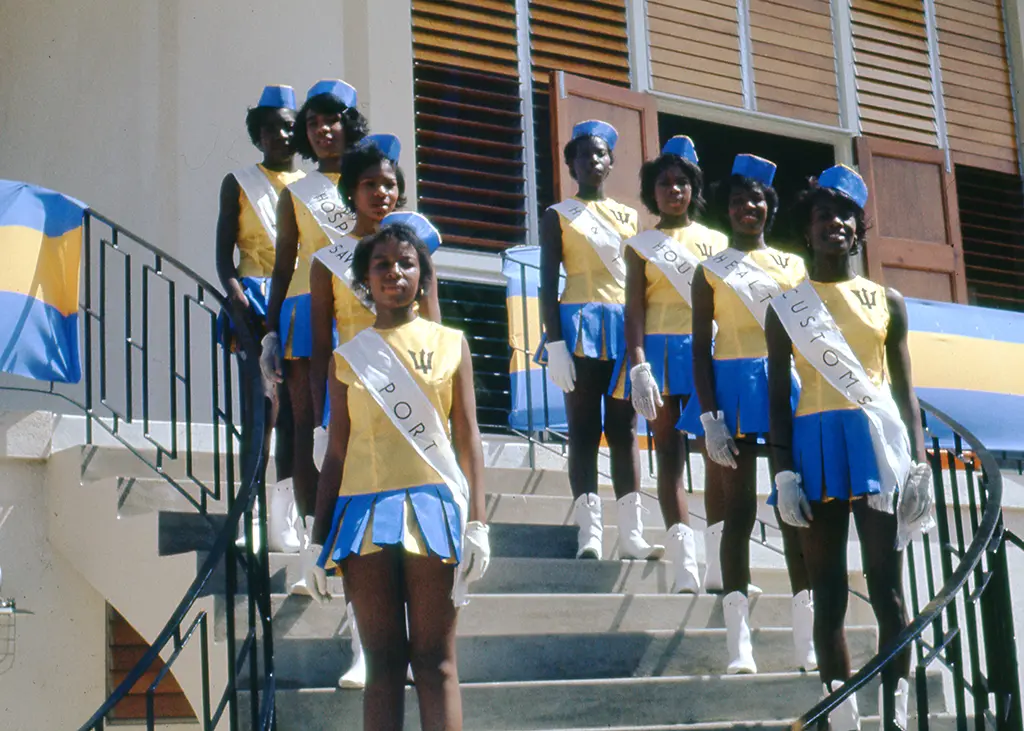
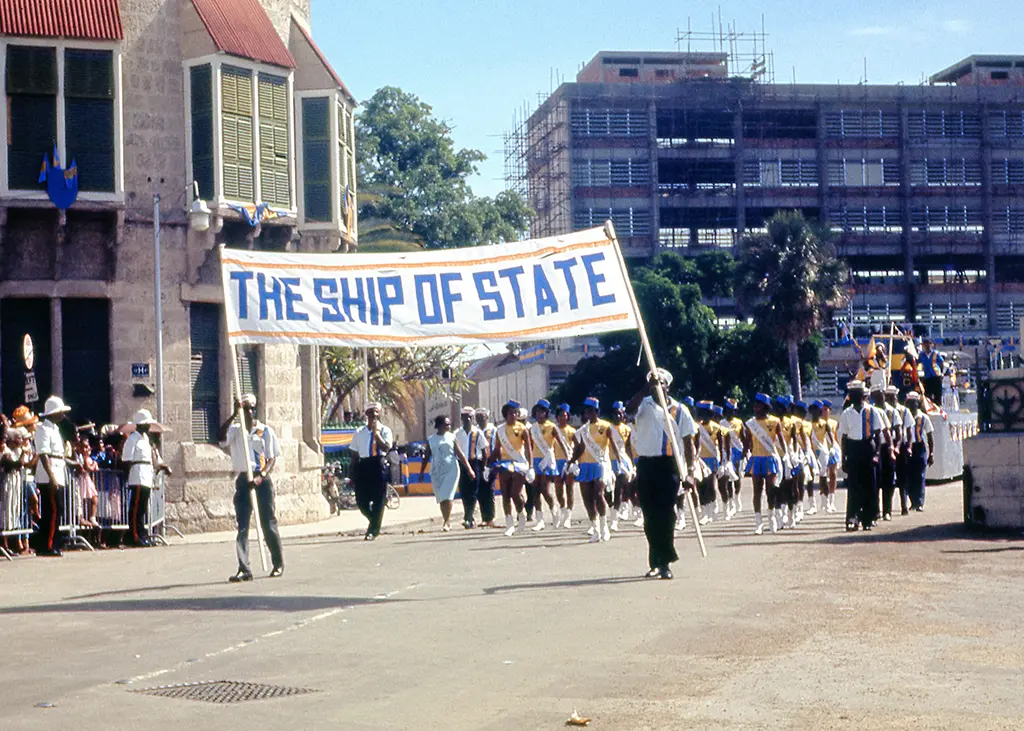
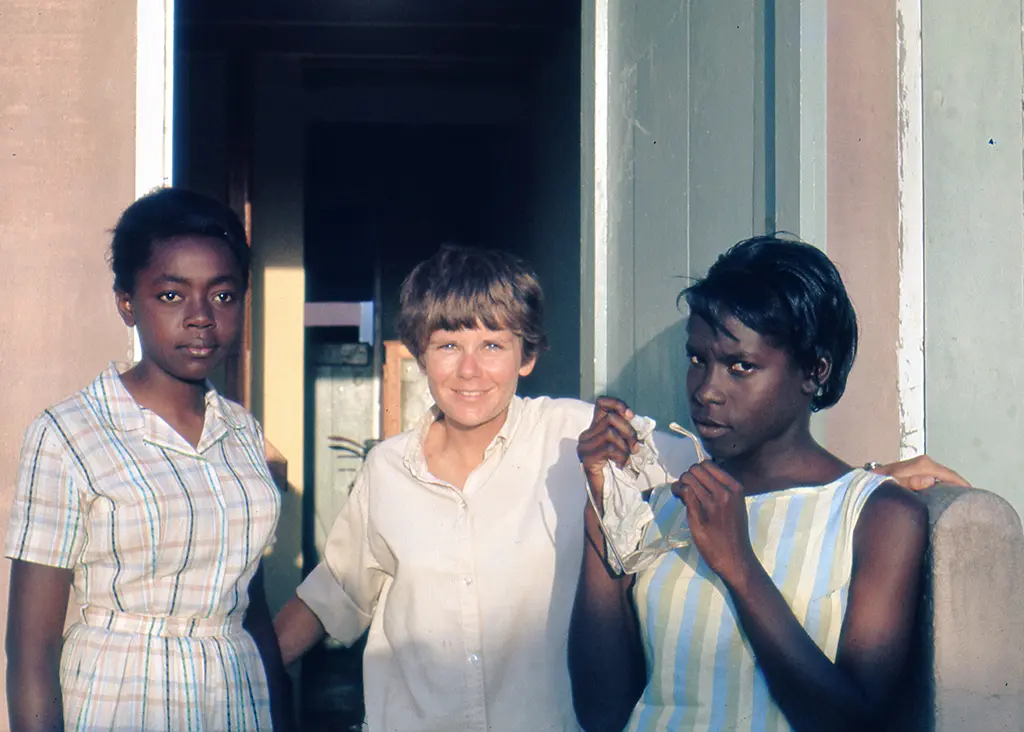
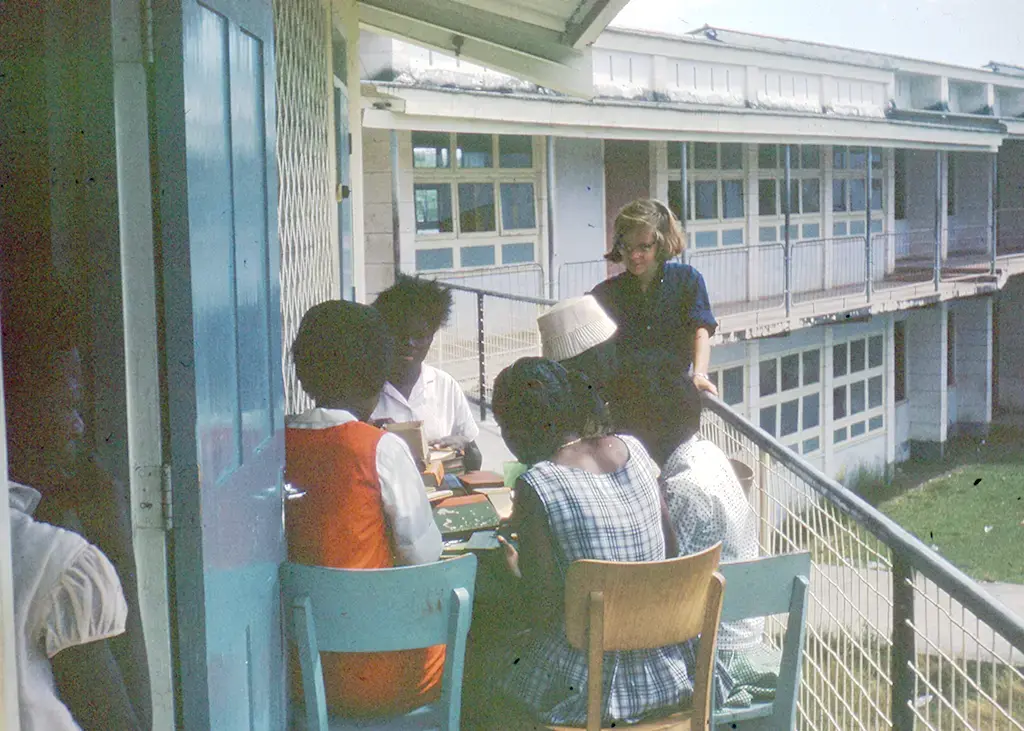
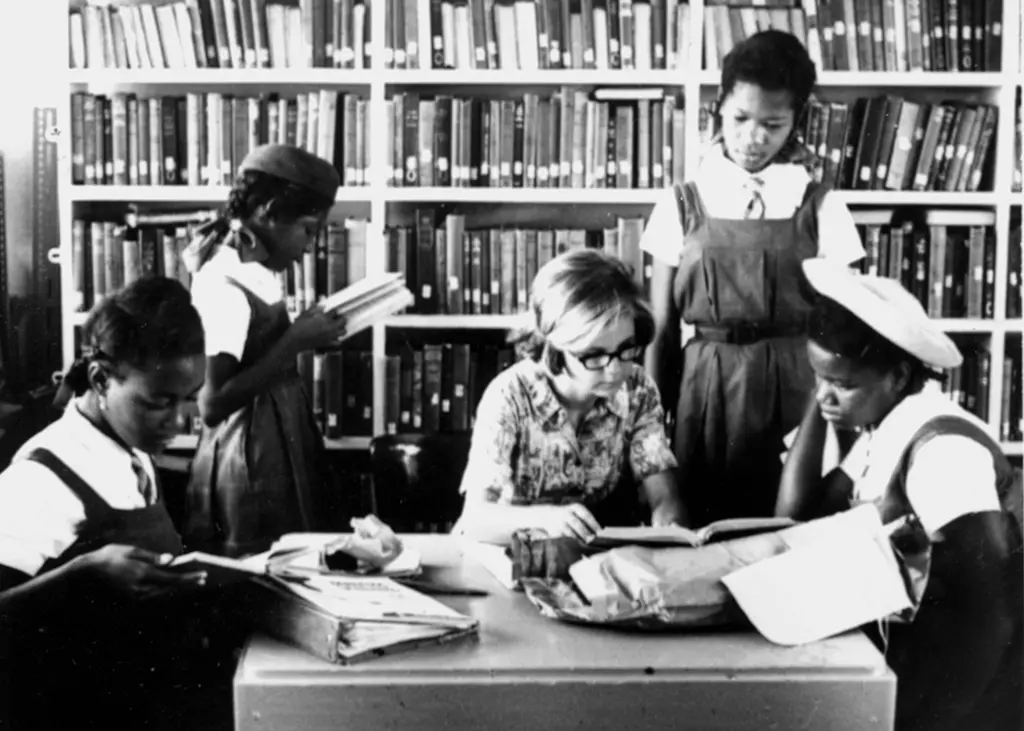

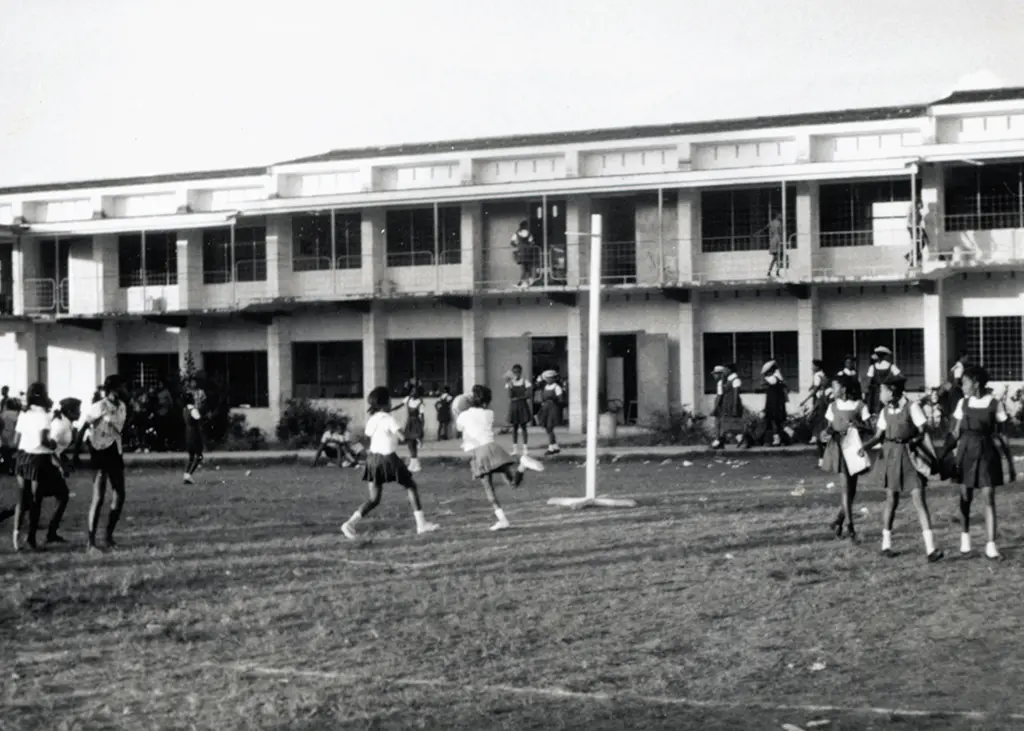
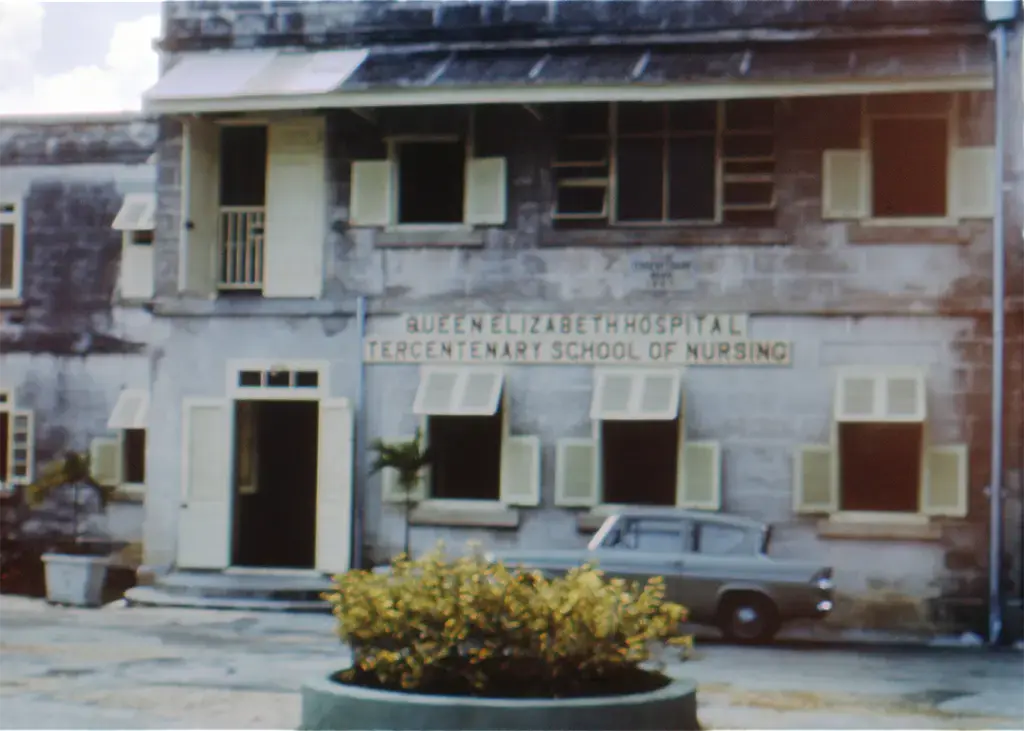
After their time as Peace Corps volunteers they returned to the United States and to the University of Kentucky. Both pursued Master’s degrees. To complete Richard’s fieldwork for his Master’s degree they returned to Barbados in 1969 where he worked on his dissertation research.
Some of Richard Stoffle’s work includes:
- Warri’s Warriors: From West Africa to Barbados, Men’s Social Space from Slavery to Post-Colonial Times by Richard W Stoffle, Mamadou A Baro and Alissandra Cummins – The Journal of the Barbados Museum & Historical Society − Vol. LXV 2019.
Brent Stoffle
Brent Stoffle lived in Silver Sands in 1971 and 1972. As a young boy he tended sheep with Mr. Pollard and explored all that Barbados had to offer, including beach visits to Bath, St. John. Little did he know these visits to the beach would have such a profound impact on his life.
In pursuit of his dissertation he began field work in St. James, living in Husbands with the former student of his mum’s, Annette Smith, who at the time was the Director of the National Library.
In 1996 and 1997, Brent conducted field work on “meeting turn” while also exploring the island and making contacts with people from all walks of life.
One day while surfing “mother frog” in Bath he met a young lifeguard named Bird. He met Bird along the road to Pothouse after having stopped to cool his burnt skin at the Pothouse Spring. Somehow Bird and this place drew a connection to his past and made the place feel like home.
In 1999 after marrying his wife Kristy, they found themselves living at the Beach in Bath. At this time Brent found Bird and a host of others that soon became lifelong family and friends. Since that experience and the completion of his dissertation fieldwork they have returned almost every year up until present almost exclusively staying in St. John seeing old friends and introducing them to their three children, Peekay, Bella and Ciaran.
Now the Stoffle family actively engages in bi-annual trips where they bring soccer gear and uniforms to the children of St. John. Every trip they put on a free soccer clinic at Gall Hill and share the day with all who wish to come and play. Cleats, socks, balls and uniforms are passed out and the motto is “Christmas in July”.
Brent has guest lectured at The UWI and for The National Library. He has worked with members of CERMES at UWI and presented on a number of topics related to Barbados and the people of St. John. He has his PhD in Applied Anthropology and has worked for the National Oceanic and Atmospheric Administration (NOAA) Fisheries in the Southeast Fisheries Science Centre in Miami for the last 23 years where he is a Social Scientist in the Social Science Research Group.
Brent has published numerous articles on Heritage and Meeting Turn in professional journals. He attributes his success to the people of Barbados, especially mentors such as Fred Watson, the Baynes, Lady Di and a host of characters from the Bath Hill rum shop (Grantley, Teddy, Pressie, Little Paul and Penny).
Some of Brent Stoffle’s work includes:
- Heritage Littoral Landscapes in African Ancestry Coastal Communities of Bath Plantation Land, St.John, Barbados – Research Open August 2025
- Women’s Power and Community Resilience Rotating Savings and Credit Assoiations in Barbados and the Bahamas by Brent W Stoffle, Richard W Stoffle, Jessica Minnis and Kathleen Van Vlack – Caribbean Studies Vol. 42, No. 1 (January – June 2014)


Leave a Reply