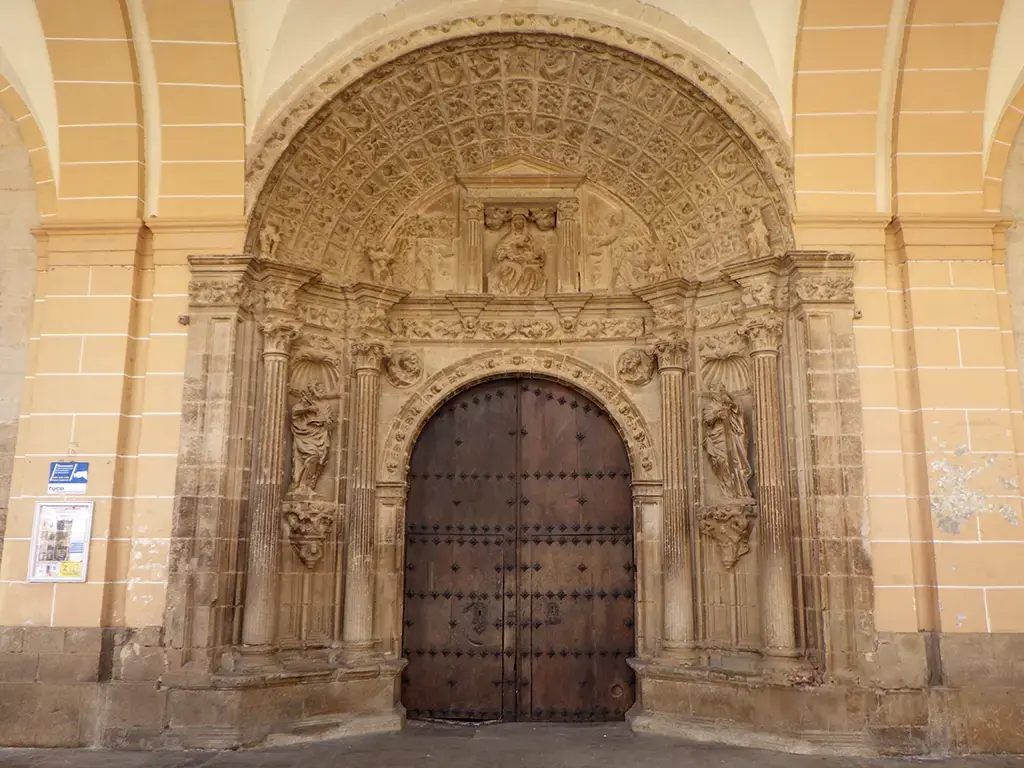
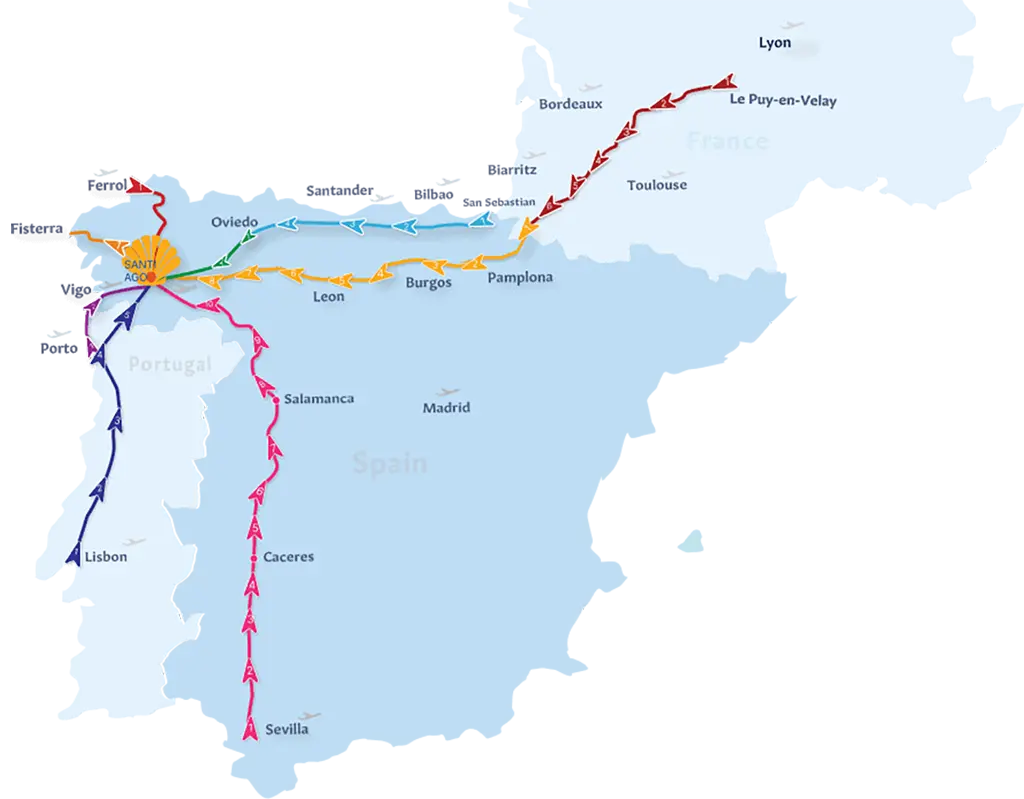
The Camino de Santiago is a hiking trail in the North West of Spain. One of the many that end at Santiago de Compostela.
Pilgrims started using these routes after the bones of Saint James were found in Santiago de Compostela some 1000 years after the good man was beheaded.
The legend goes that after Christ was executed, James, the brother of John, left Palestine and made his way to Spain. After a while he returned to Palestine where the occupiers of the land at the time beheaded him. His body was taken to Galicia in a boat crewed by angels. After a few more problems his body was buried in Santiago de Compostela. It remained there for 1000 years until a hermit called Pelagius found them. The bones were verified by a local Bishop.
A church was built to give him a suitable resting place and pilgrims came from all over Europe to see them. Pilgrims from all over the world are still using the trails.
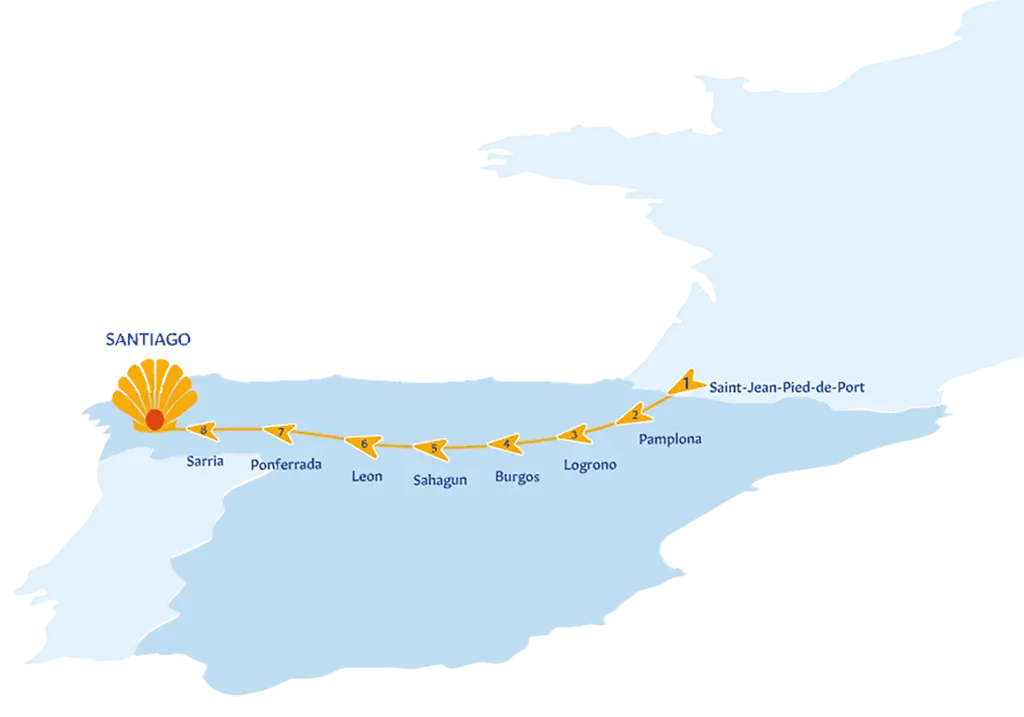
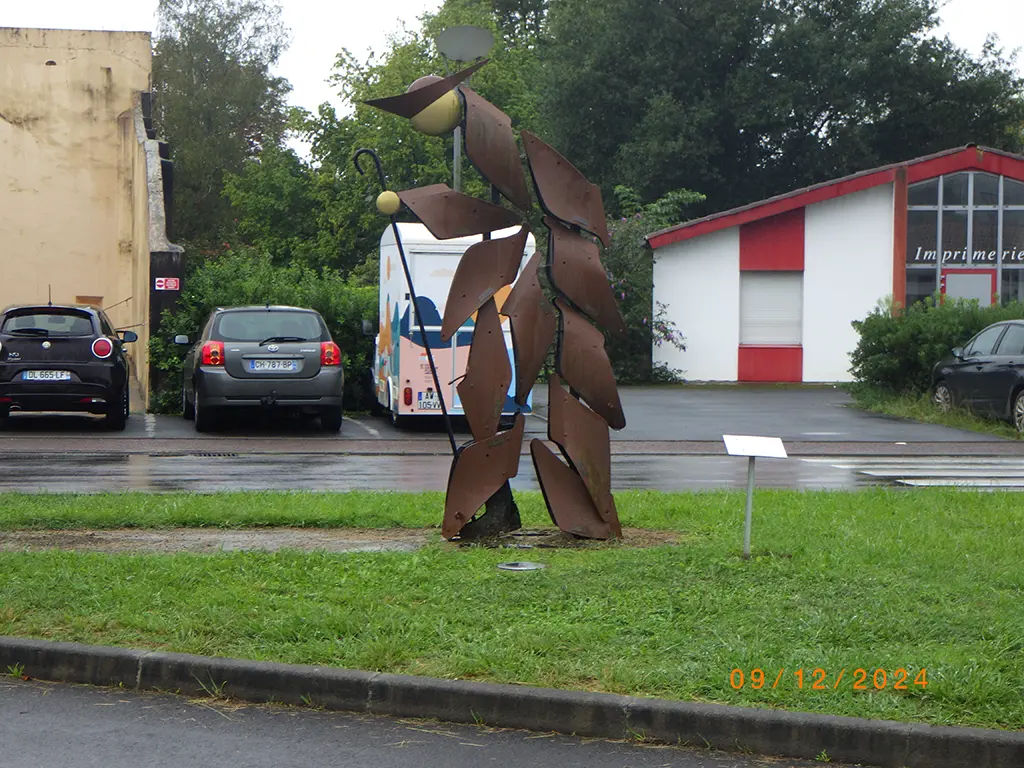
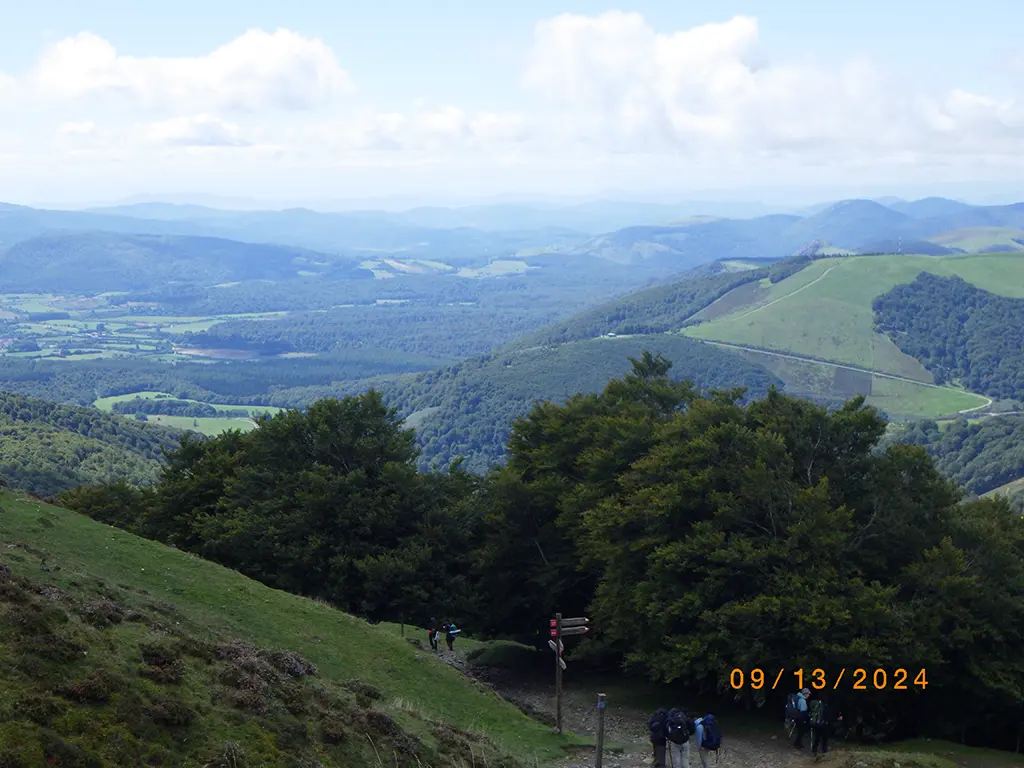
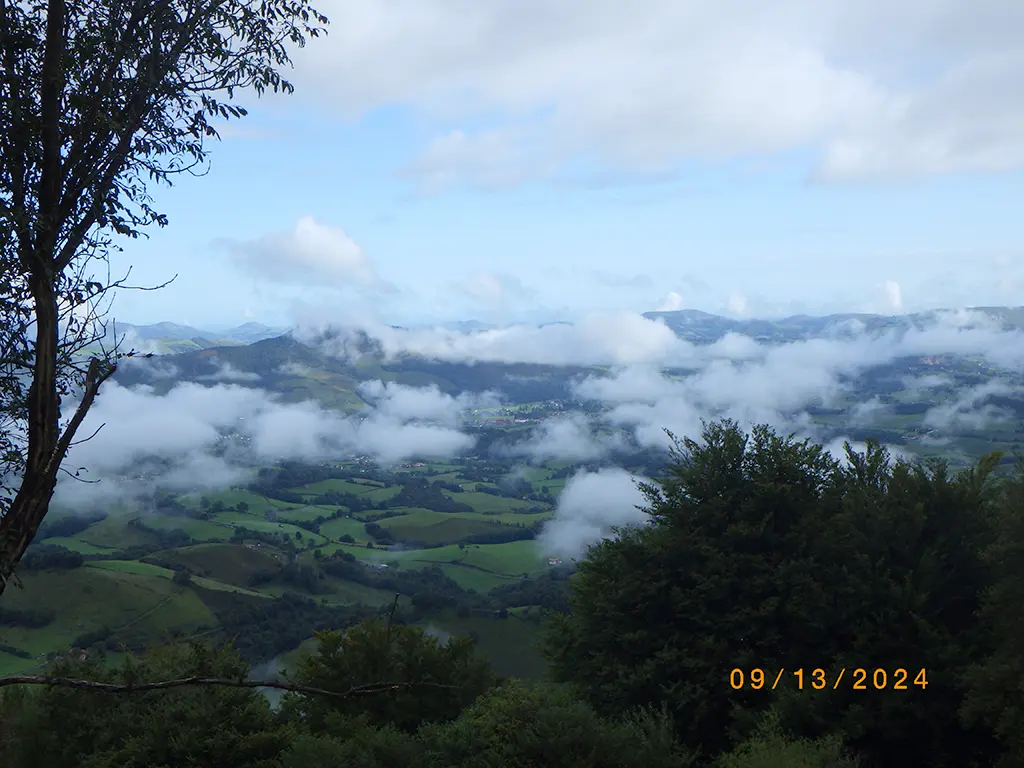
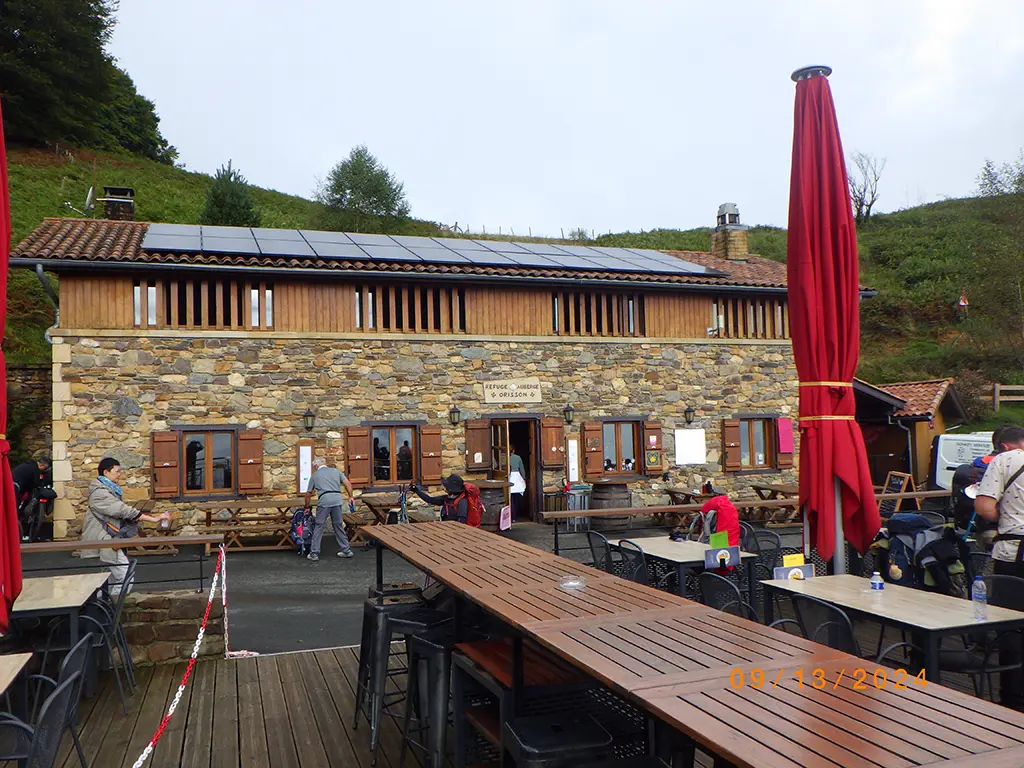
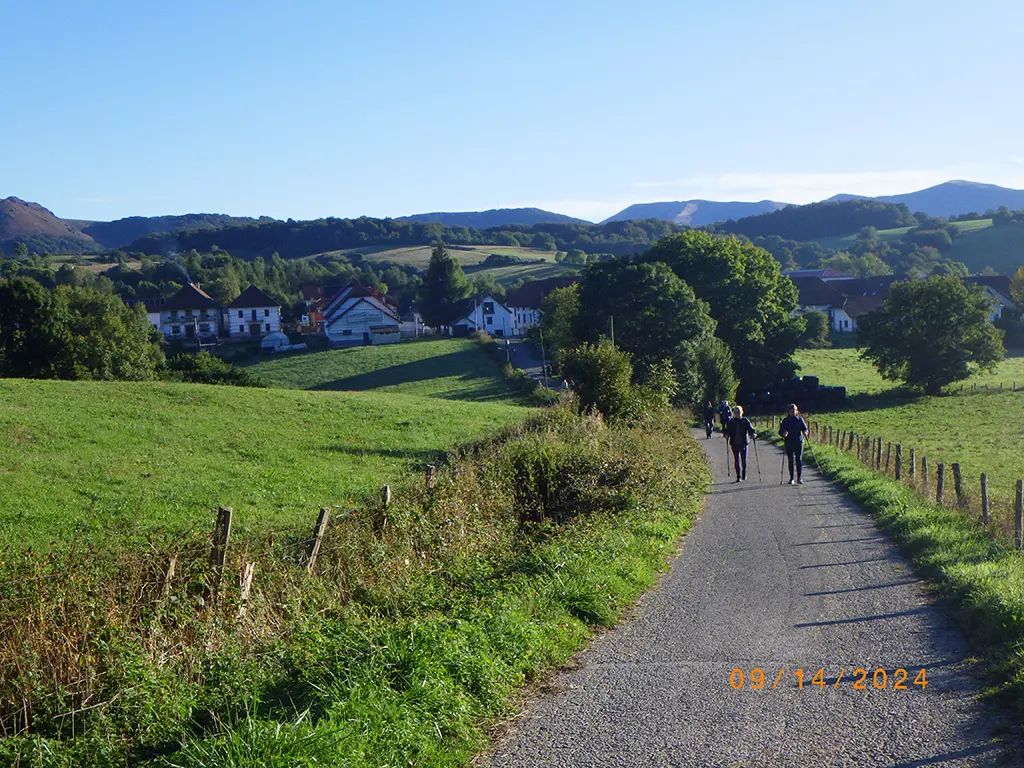
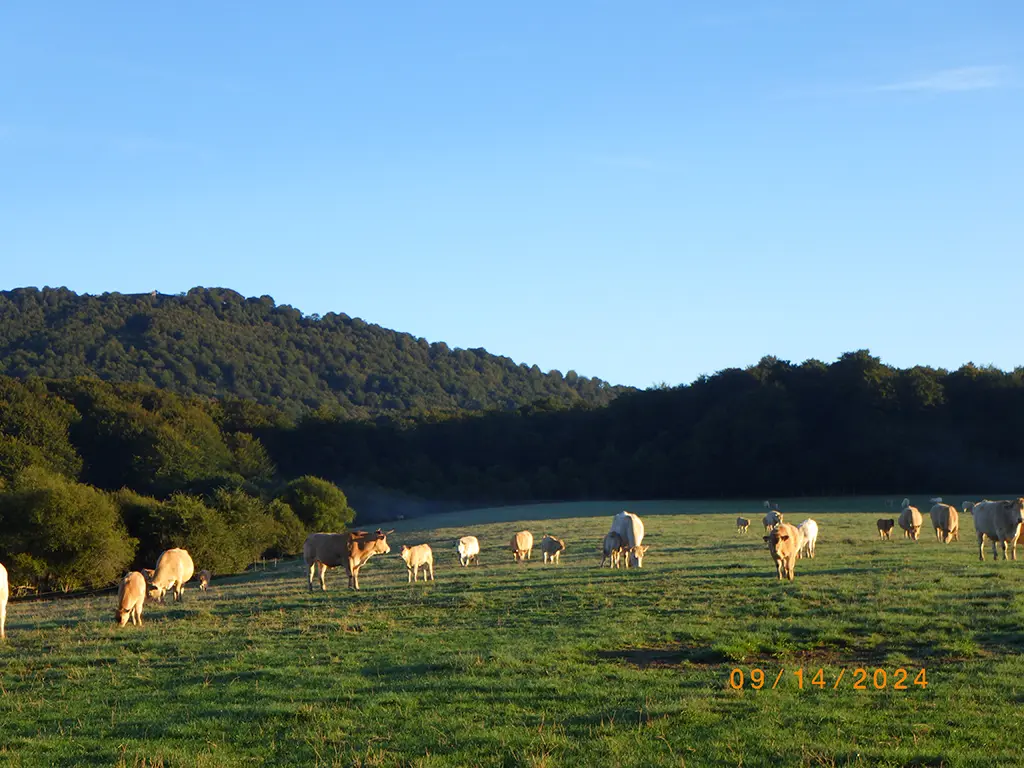
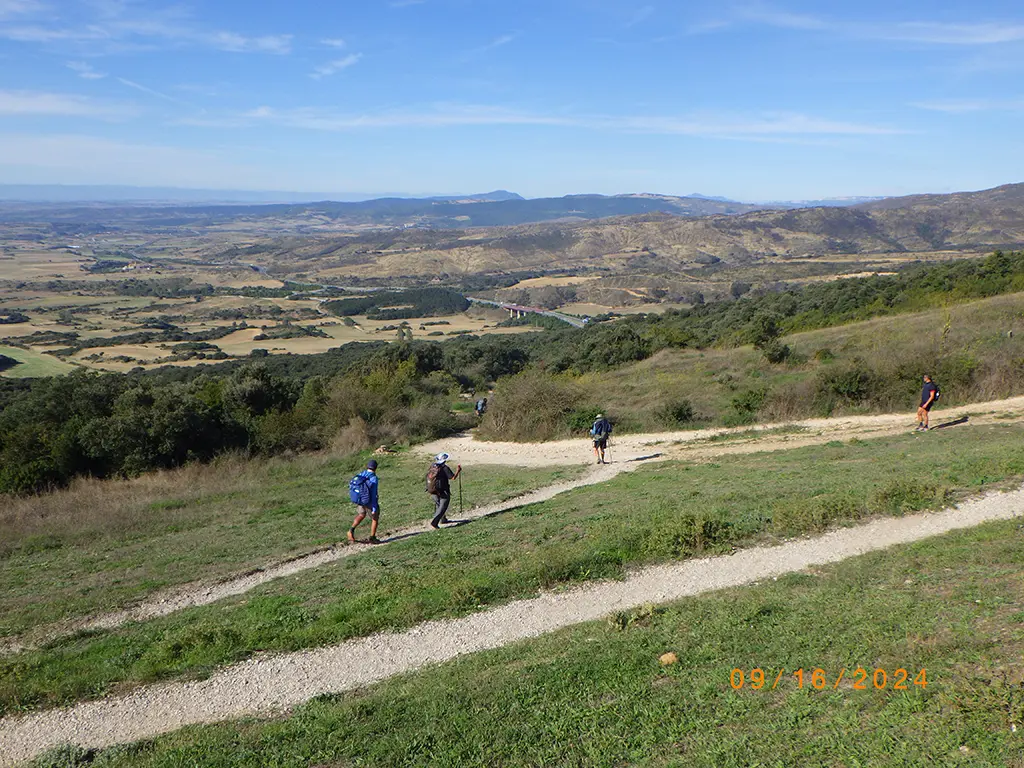
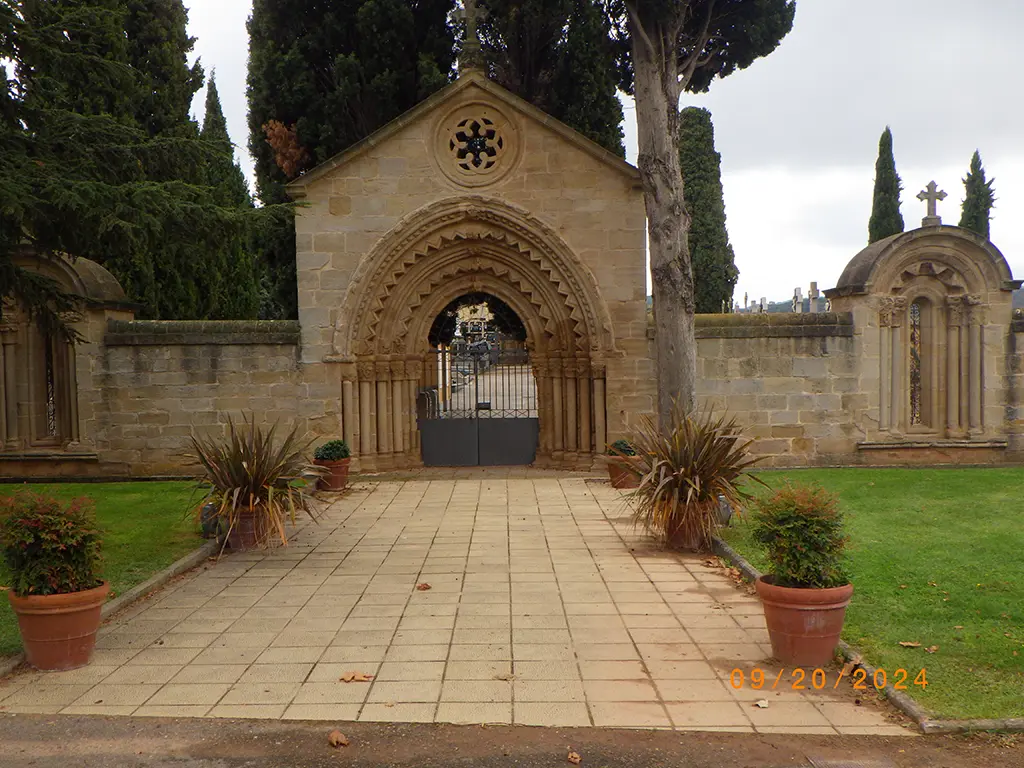
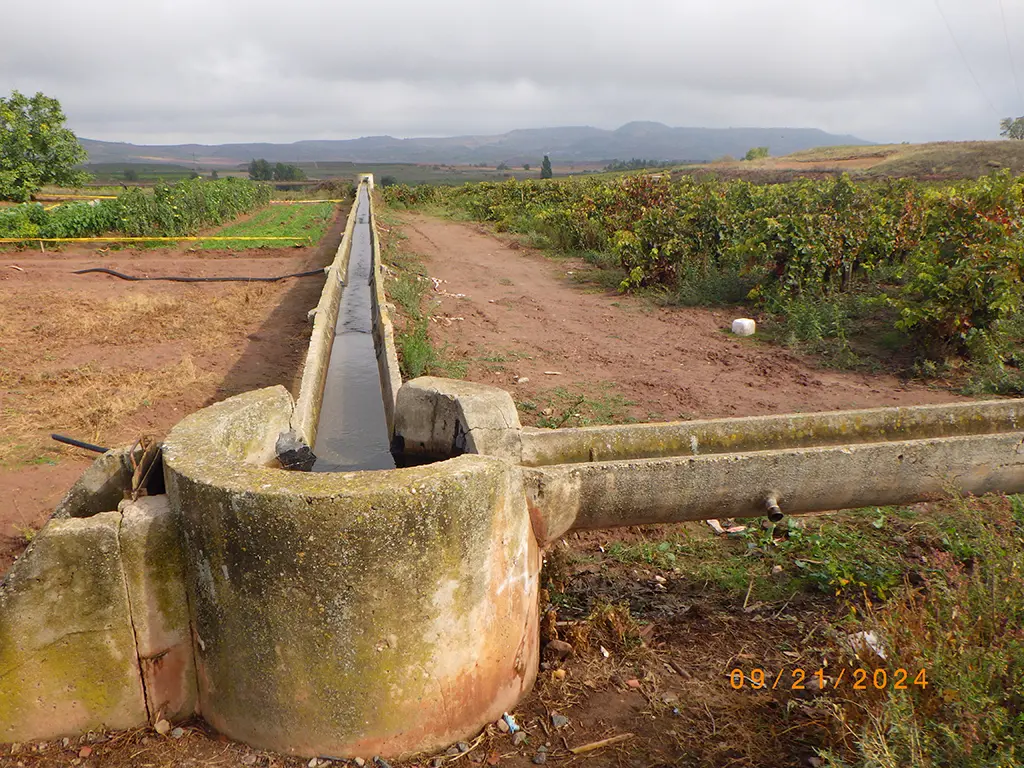
I did a 11 day section starting, in Saint-Jean-Pied-de-Port, in France, over the Pyrenean Mountains and ended in San Juan de Ortega (about 280km). This route is called Comino Frances and about 200,000 pilgrims use portions of it every year.
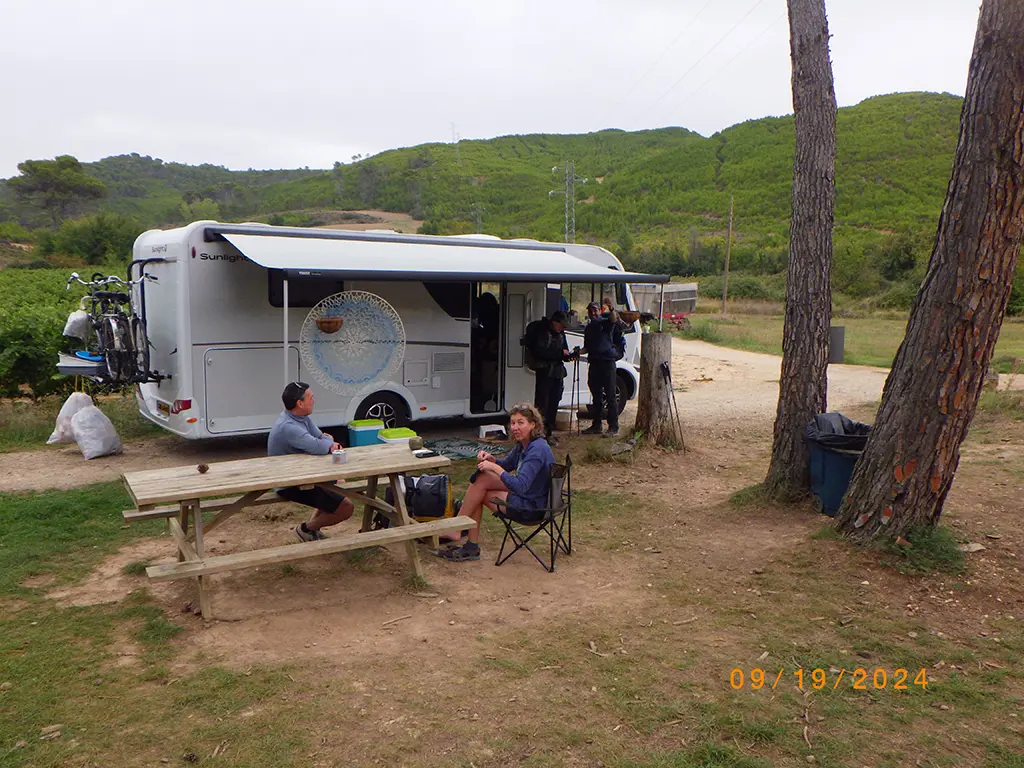
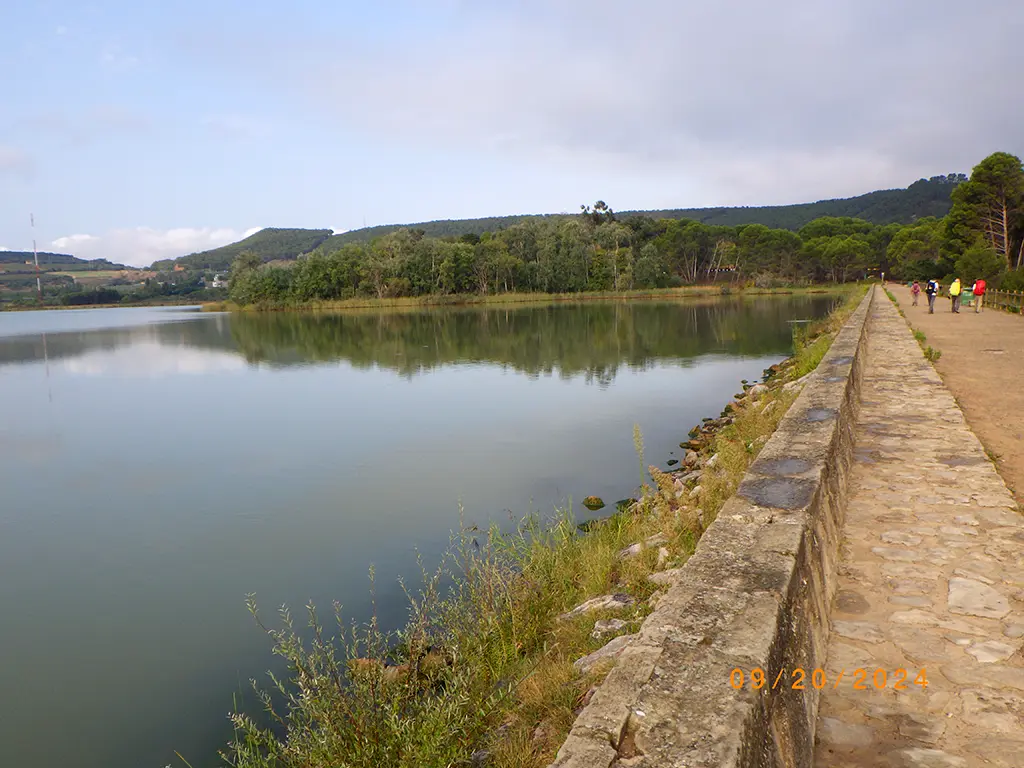
Some walk it with all their needs in a backpack. Some employ a company to carry it to the next overnight stop and just walk with a small pack containing water and food. Some are cyclists, others ride horses and one lady from Korea was doing it on a Uni-cycle. One man was pulling a cart with all of his needs.
There was a amputee. One young man carried very little, walked barefoot, clothed only in a towel. You meet all types.
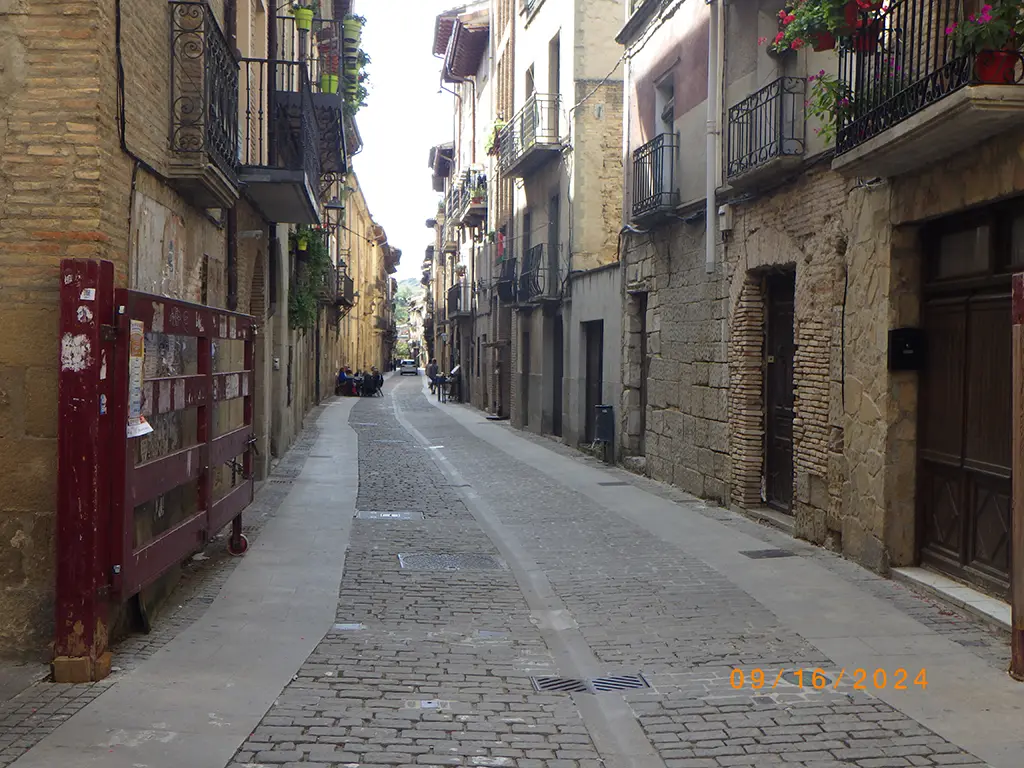
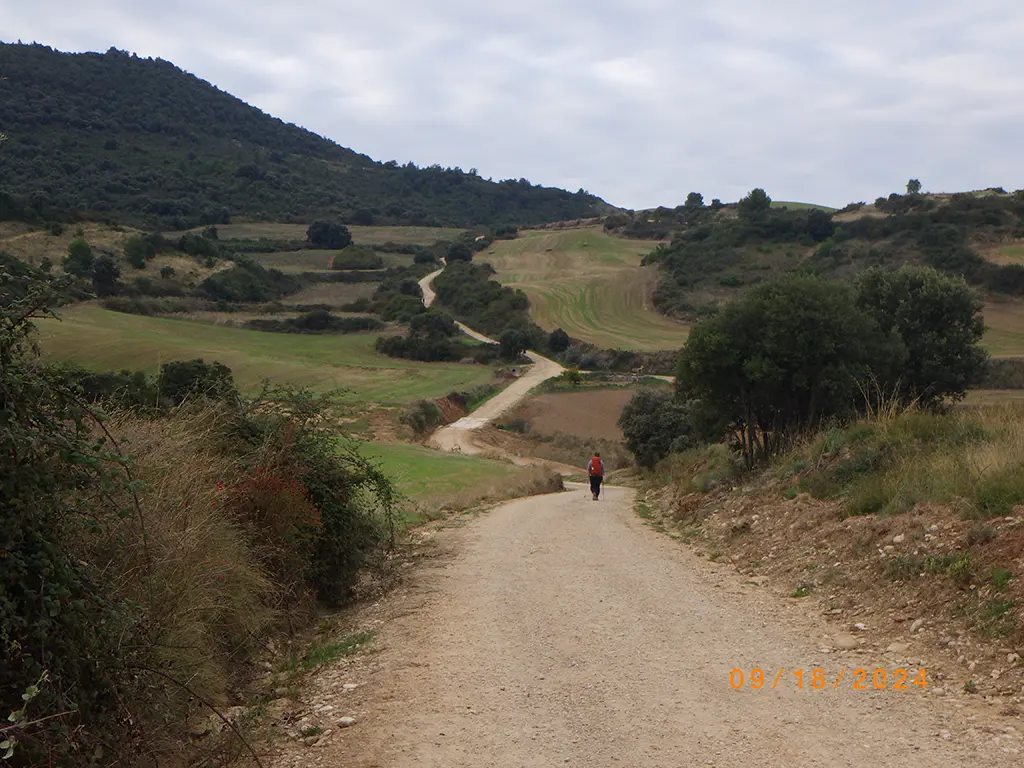
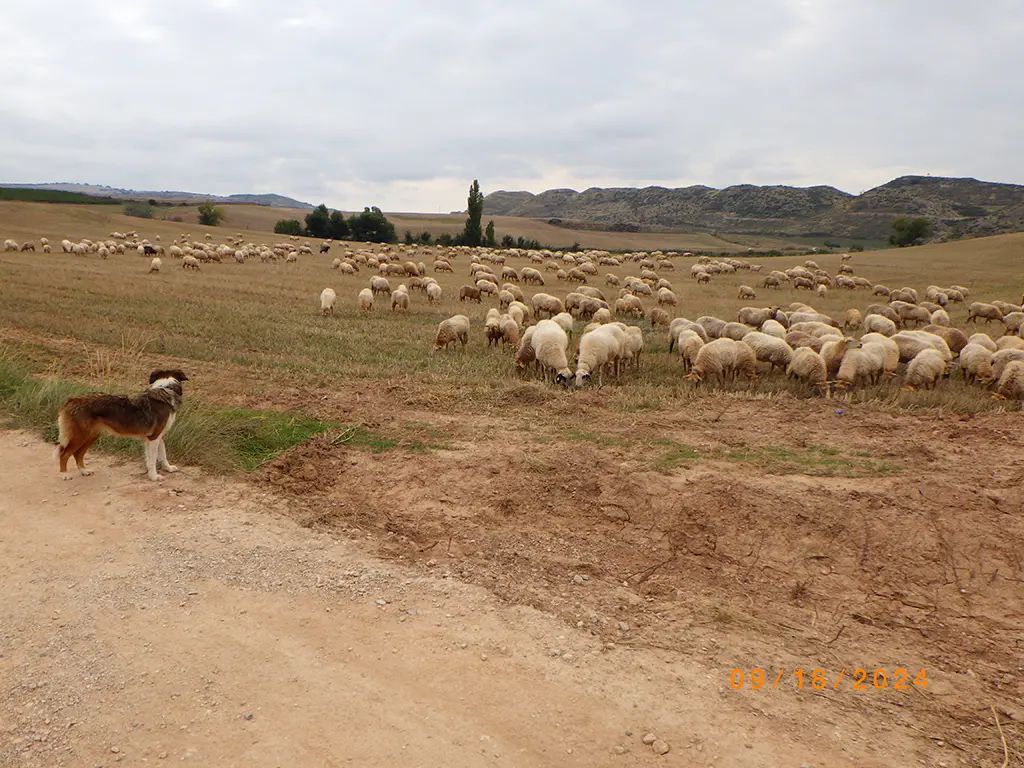
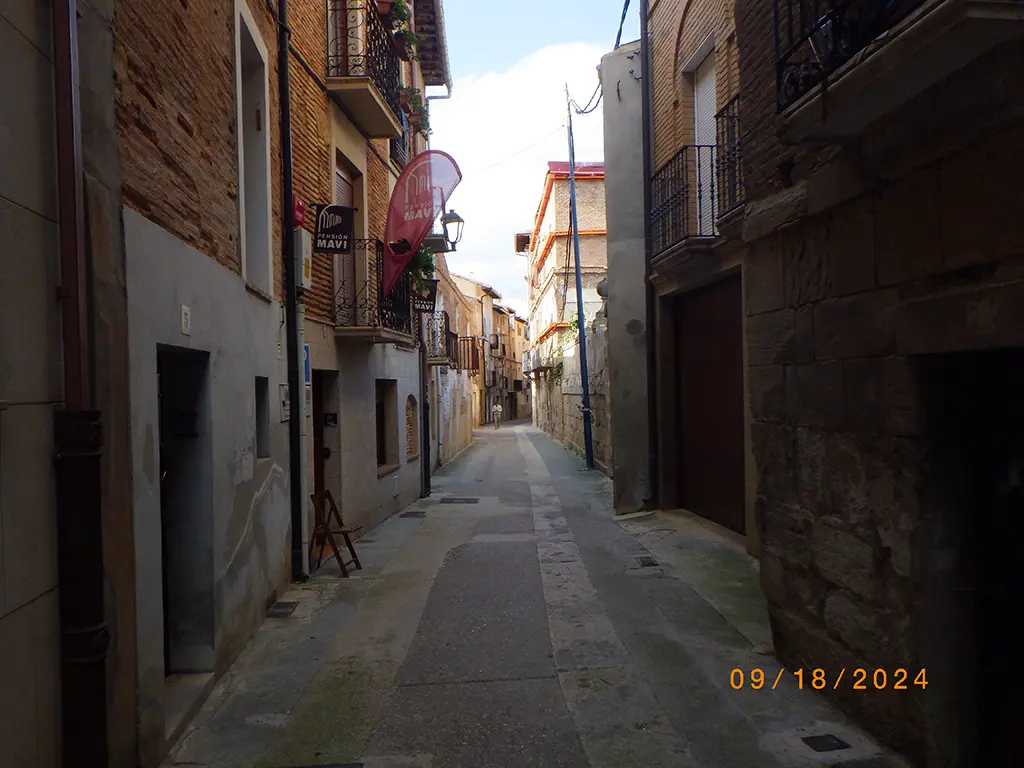
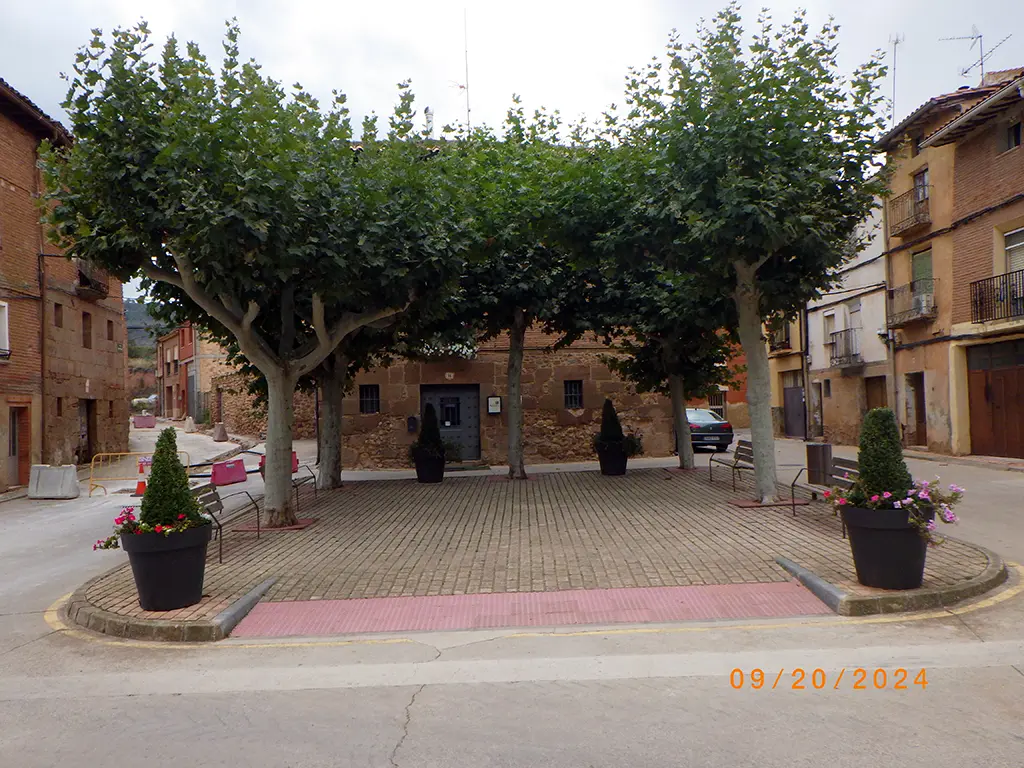
The walk is an interesting, very social and varied event. The age range was between early 20’s to over 70. Some walk in groups, some alone and others formed daily groups for company along the way. It is well marked so there is very little possibility of getting lost. Every 10Km or so you will come to a village where you can rest, get supplies and find a bed for the night. There is no need, if you are going self supported, to plan each day in detail. If you use a luggage transport service naturally you need to catch up with your bags.
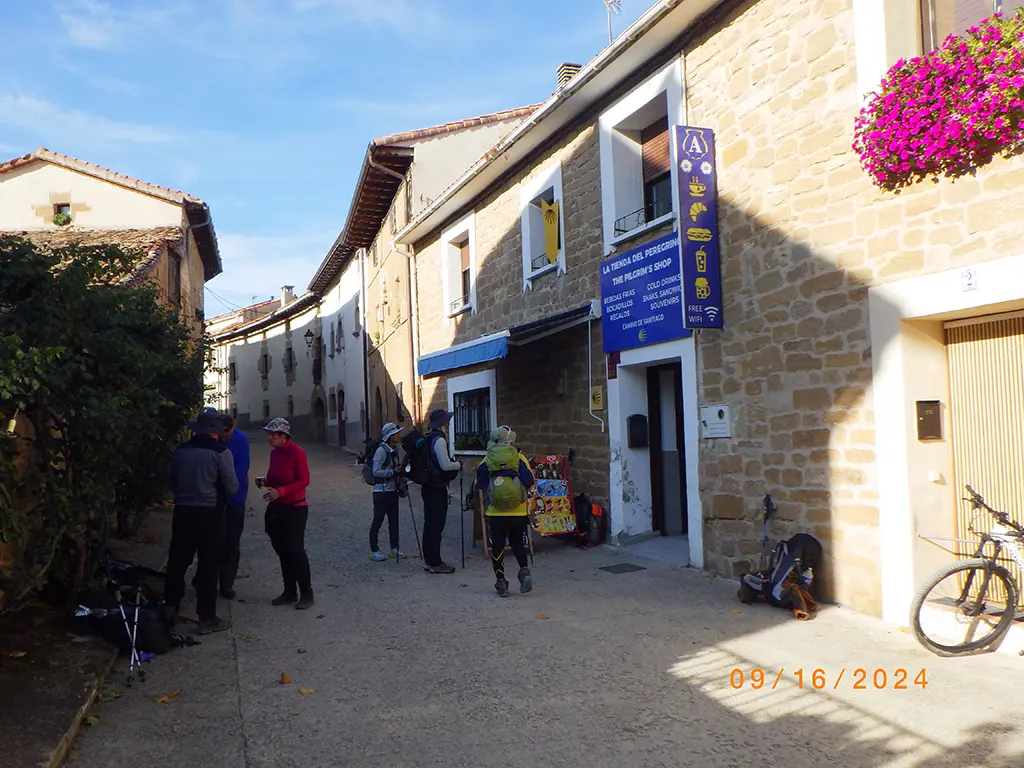
I left each morning by 6am and on the way out of the town I would find a café selling coffee and some food. A quick meal and I was on my way. I would walk between 20Km and 30Km. If the town did not have accommodation I would push on to the next one. If a hostel was full they would always recommend another one. By 3pm I usually had a shower and was looking for a meal and a glass of wine.
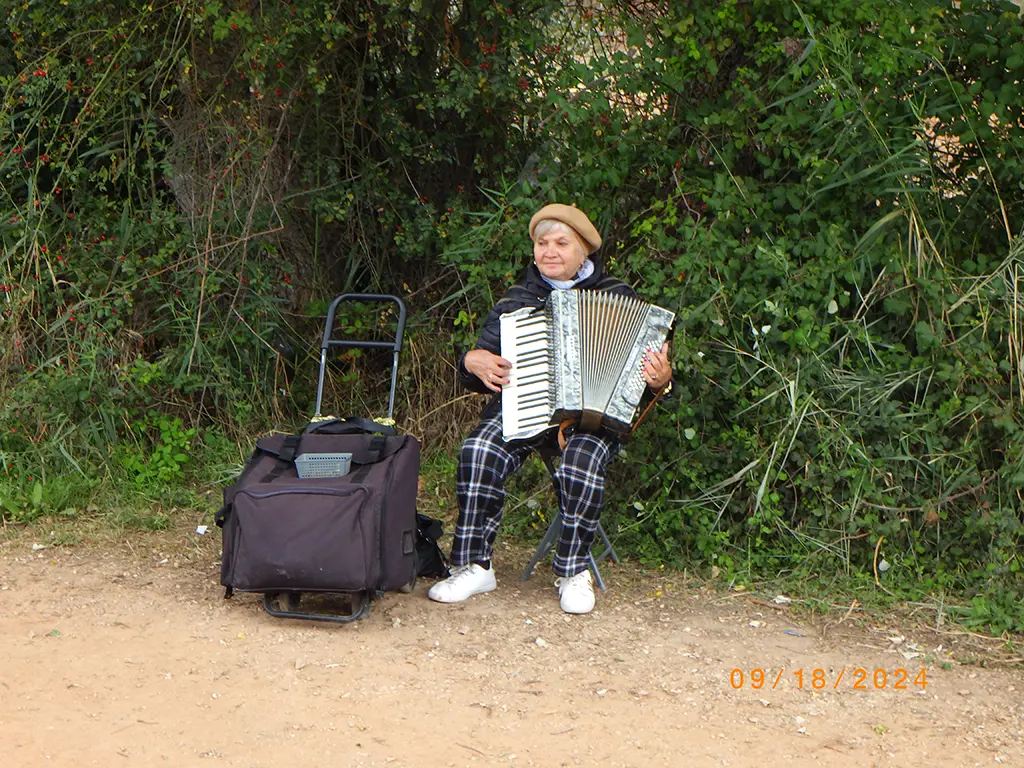
As with all of these hikes you meet very friendly people and it is easy to find someone to share a table and a meal with.
How I got to the Camino de Santiago Francés
Getting to the Camino de Santiago Francés
- BGI (BB) – LHR (UK): Virgin Atlantic
- LGW (UK) – BOD (FR): EasyJet – two flights per day
- Bordeaux to Saint-Jean-Pied-de-Port: by train – there are 5 trains per day taking on average of 3h 38m
At both ends of my Camino de Santiago Francés walk I spent a few days in Bordeaux with friends.
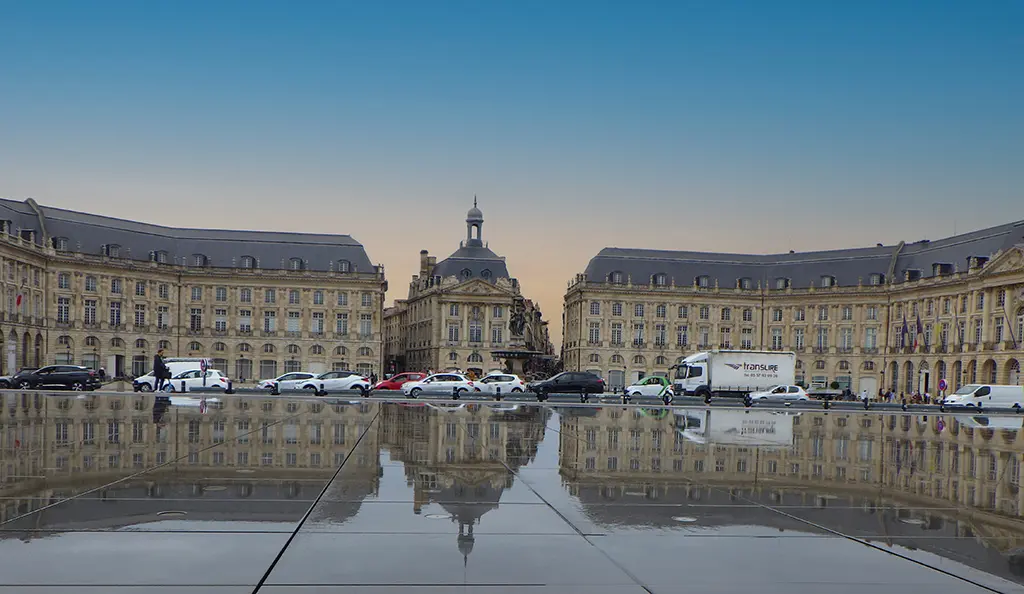
Getting back to Bordeaux
Bus journey from San Juan de Ortega to Bayonne took a day. There were long waits between some of the stop-overs. In Bayonne I spent the night in a hotel and then headed to Bordeaux the next morning for a few days catch-up with friends.
- San Juan de Ortega (ES) – Burgos (ES): bus about 1½ hr
- Burgos (ES) – Donostia-San Sebastian (ES): bus about 3 hours
- Donostia-San Sebastian (ES) – Bayonne (FR): bus about 1½ hours
- Bayonne (FR) – Bordeaux (FR): train 2hr 3m,
Some thoughts of the Camino de Santiago
- Get a “Camino de Santiago passport” that is issued by the authorities. Some hostels only accept hikers if they have this bit of paper to rubber stamp. You can also get a stamp at restaurants, bars, churches and other shops. When you get to Santiago de Compostela you can get a certificate. I did not worry about this bit of paperwork and only used it when asked to show it.
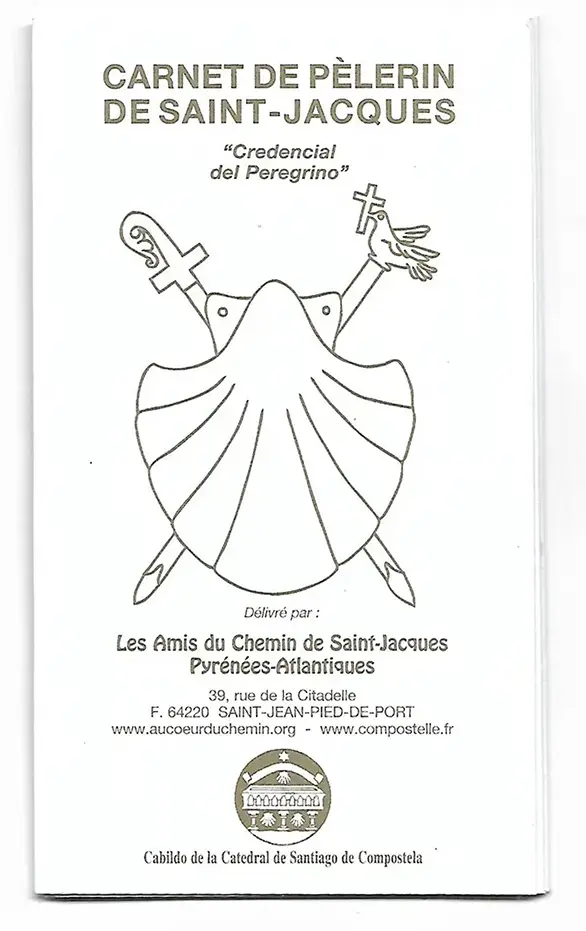

Camino de Santiago – passport.
- The office, where I got my Camino de Santiago passport, in Saint Jean de Port wanted me to pre-book accommodation on-line a few days in advance. They said that I would not find a place to stay if I did not. I did not do this and never had a major problem in finding accommodation. Just get off the main street through the city and you will find a place. Some days I stopped at the town before the recommended stage end.
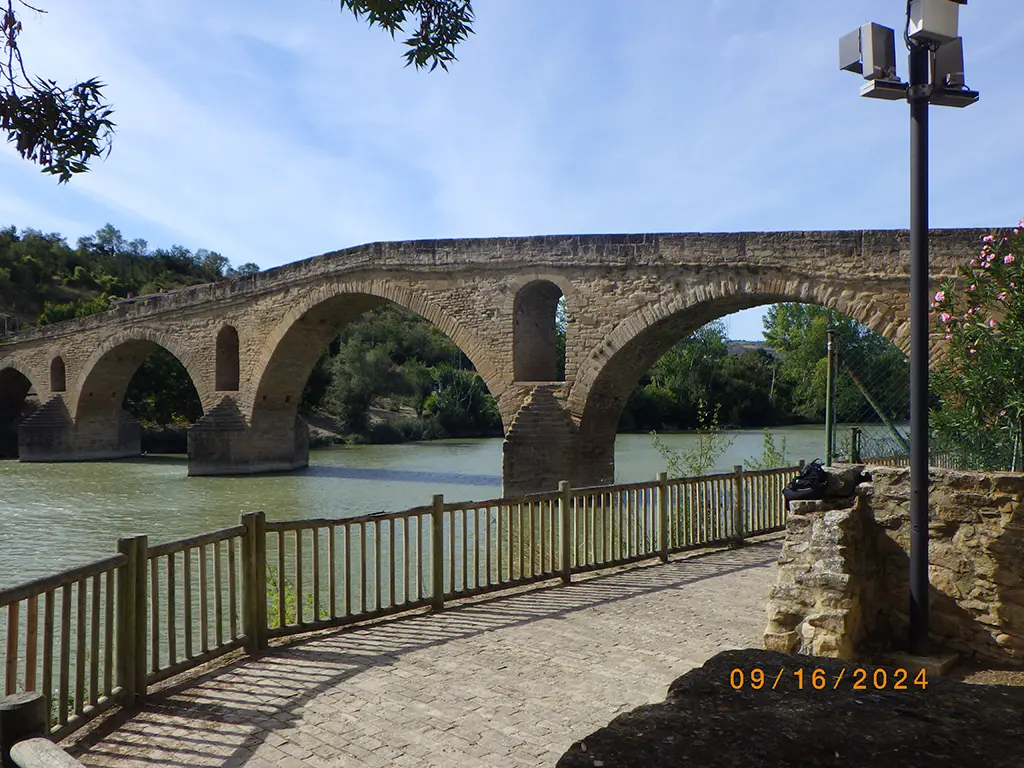
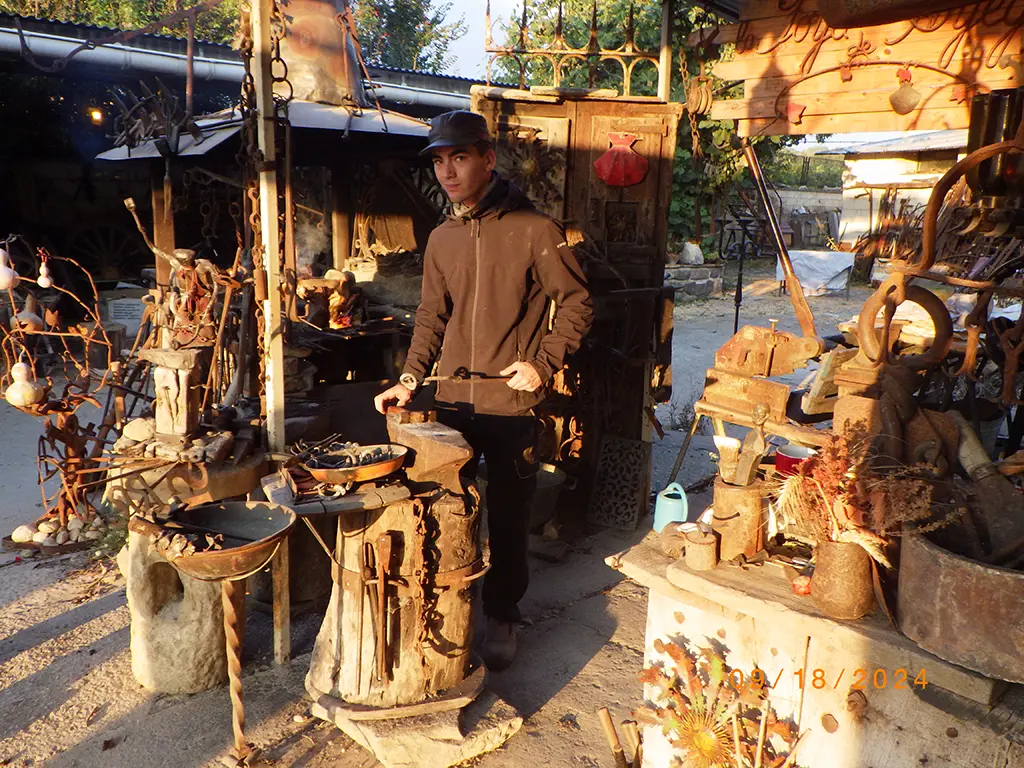
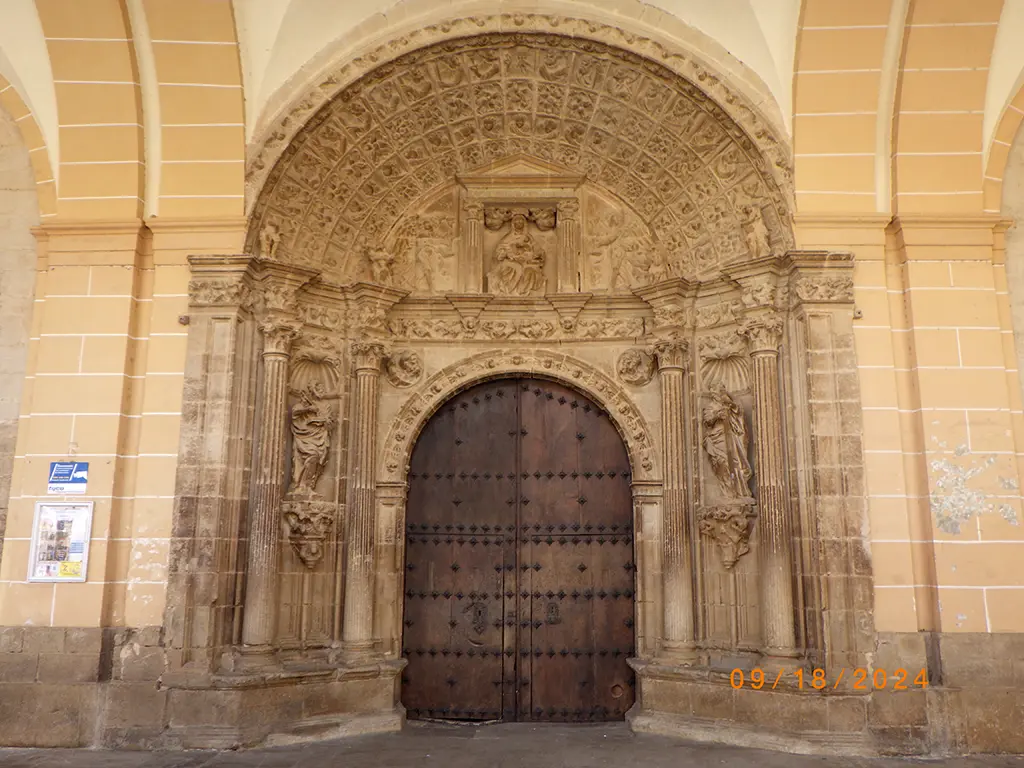
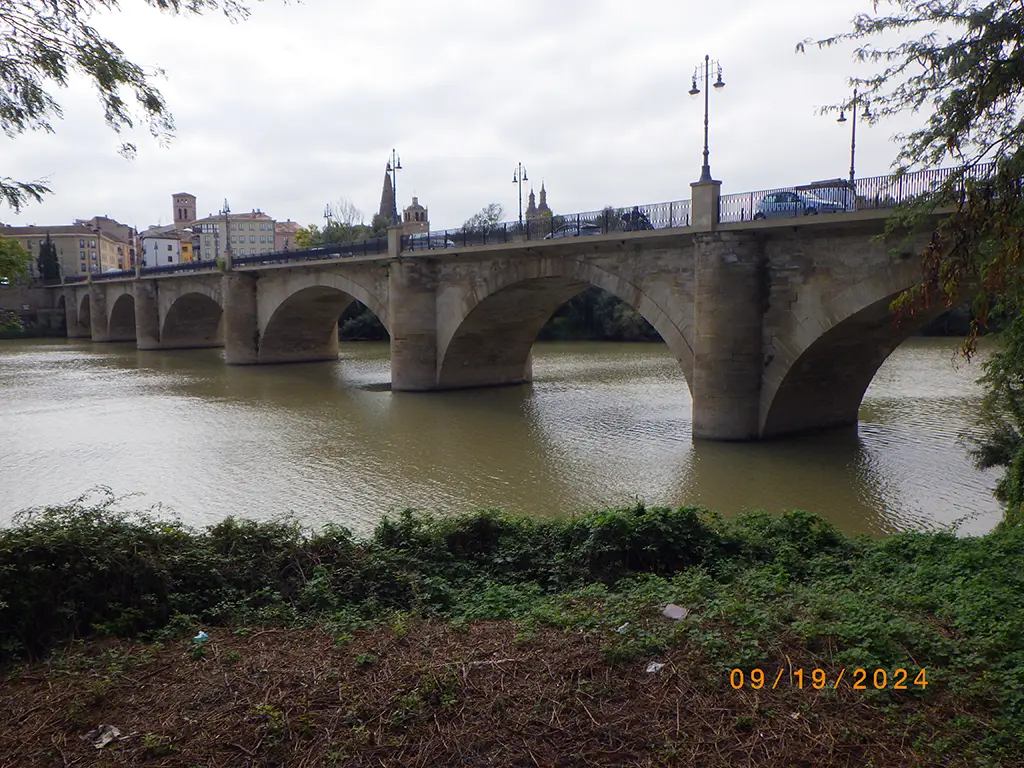
- Do not rush. It is a hike to enjoy the culture and history of the area. When you come to a interesting place take off your pack and chill out. This area has changed hands between the Basque, Moors and French several times over the centuries. They have all left their mark.
- Most of the accommodation is in Hostels. But it is possible to find small hotels in some of the towns. Dinner and breakfast will be at one of the many small restaurants close by.
- In September 2024 it was hot. Never pass a small shop that sells cold drinks and snacks. Take more water than you think you will require.
- Spain closes each day between noon and 2 or 3 pm. Everything!
- I speak a little basic Spanish. In Cuba or Argentina I can usually make basic conversation in a bar or restaurant. This was not at all possible in the Basque region where Basque is the main language spoken.
- Refrain from saying that this area is part of Spain. Especially to the older generation. EU yes, Spain no!
- This is advertised as a centuries old pilgrimage to Camino de Santiago. While many do it for those reasons, it is clear that with over 300,000 people on the various trail options every year it is a very good source of revenue for the local population. Most of it goes straight into the local economy and only a small percentage into multi-national companies.
Some useful links on the Camino de Santiago pilgrimage routes
- Camino de Santiago. All you need to know
https://caminoways.com/camino-de-santiago - The Camino Francés – The Most Popular Camino
https://caminoways.com/camino-frances - UNESCO – Routes of Santiago de Compostela: Camino Francés and Routes of Northern Spain
https://whc.unesco.org/en/list/669/ - Camino Routes
https://followthecamino.com/en/camino-de-santiago-routes/